

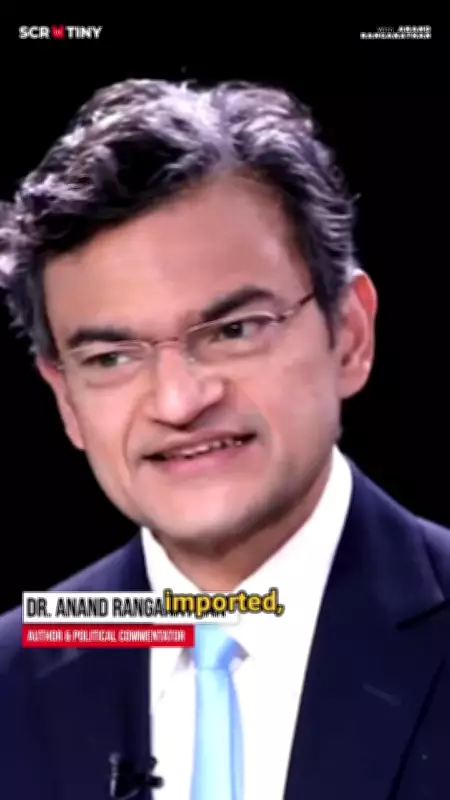
Anand Ranganathan Points to Mismanagement as Root Cause of India's LPG Panic
In a recent analysis, commentator Anand Ranganathan has issued a stark verdict on India's ongoing liquefied petroleum gas (LPG) crisis, directly attributing the escalating public panic to deep-seated mismanagement within the system. His blunt assessment highlights how administrative failures and logistical breakdowns are exacerbating shortages, leaving millions of households in distress over access to essential cooking fuel.
Systemic Failures Amplify Gas Supply Shortages
Ranganathan argues that the current LPG panic is not merely a result of temporary supply glitches but stems from chronic mismanagement that has plagued India's gas distribution network. He points to inefficiencies in inventory management, poor coordination between suppliers and distributors, and inadequate contingency planning as key factors fueling the crisis. This has led to erratic cylinder deliveries, long waiting periods, and heightened anxiety among consumers, particularly in rural and semi-urban areas where reliance on LPG is critical for daily cooking needs.
Supply Chain Disruptions Worsen the SituationThe commentator emphasizes that supply chain disruptions, compounded by global market fluctuations and domestic production challenges, have been poorly handled by authorities. Instead of implementing robust measures to buffer against such shocks, Ranganathan notes that reactive policies and lack of transparency have only intensified the panic. This mismanagement, he asserts, undermines public trust and exacerbates the sense of crisis, with reports of hoarding and black-market activities emerging as desperate consumers seek alternatives.

The LPG crisis has far-reaching implications, affecting not just individual households but also small businesses and the informal sector that depend on consistent gas supply. Ranganathan's analysis warns that prolonged mismanagement could lead to broader economic strain, as increased costs and uncertainty disrupt daily life and productivity. His verdict serves as a call to action for policymakers to address these systemic issues urgently, through better planning, enhanced infrastructure, and more accountable governance to prevent future panics.

- Chronic administrative failures are identified as the primary driver of the LPG panic.
- Poor coordination and inventory management worsen supply shortages.
- Supply chain disruptions are exacerbated by inadequate contingency measures.
- The crisis impacts households, small businesses, and economic stability.
- Urgent reforms in governance and infrastructure are needed to mitigate future risks.





