

How Middle East Tensions Directly Impact Your Kitchen's LPG Supply
For countless households across India, the kitchen represents the very heart of the home, and that heart predominantly beats on LPG. From the familiar first whistle of the morning pressure cooker to the satisfying sight of a roti puffing up perfectly on the tawa, our daily culinary routines are deeply intertwined with that reliable blue flame. However, when headlines flash with news of escalating tensions in West Asia, this is not merely a distant geopolitical development—it becomes an immediate kitchen concern.
The Global Supply Chain: From Strait of Hormuz to Your Stove
India imports a substantial portion of its liquefied petroleum gas from key suppliers in the Middle East, including Qatar, Saudi Arabia, and the United Arab Emirates. Any significant friction or conflict near the critical Strait of Hormuz—a narrow maritime chokepoint—inevitably creates ripple effects that reach our local gas delivery networks. When shipping tankers face delays due to heightened security risks or logistical challenges, the familiar "out of delivery" notifications on our phones begin to take longer to arrive, translating global instability into local inconvenience.
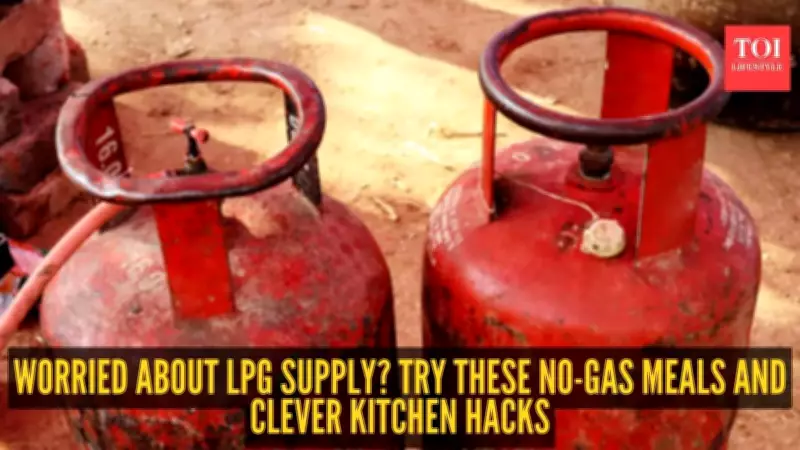
It can be genuinely stressful to glance at that red cylinder and calculate precisely how many meals remain before it empties. Yet, Indian kitchens have always excelled at adaptation and resilience. Here are comprehensive strategies to ensure your meals continue uninterrupted, even when the gas supply feels uncertain.

Revive and Utilize Your Backup Cooking Solutions
You likely already possess effective "LPG-free" alternatives within your kitchen; they might simply be underutilized for preparing complete meals.
- The Electric Alternatives: If you own an induction cooktop or an electric heater, consider making it your primary appliance for tasks like boiling milk or water. These devices are often faster for such purposes and help conserve your LPG cylinder for cooking methods that genuinely require an open flame, such as preparing perfect rotis.
- The Microwave & Air Fryer Duo: While commonly used for reheating or snack preparation, these appliances are surprisingly versatile for full cooking. You can efficiently "roast" vegetables or cook a batch of rice in a microwave-safe bowl in significantly less time than traditional methods.
- The PNG Switch: For residents in societies offering Piped Natural Gas connections, this represents a worthwhile long-term investment. PNG operates as a literal "set it and forget it" system, eliminating the panic of last-minute agency calls when you discover the cylinder is empty mid-way through cooking your dal.
Adopt Smarter Cooking Techniques
Conserving gas does not equate to eating less; it involves becoming more strategic with your food preparation.
- Soak Everything Thoroughly: This time-tested technique remains remarkably effective. Soaking rice, rajma, or chana for even an additional thirty minutes can dramatically reduce cooking time. Softer grains require substantially less fuel to reach perfect doneness.
- Harness the Power of the Lid: It may seem elementary, but cooking with an uncovered pot is analogous to attempting to heat your home with windows wide open. Always use a lid to trap steam, build internal pressure, and cook food in nearly half the usual time.
- Embrace One-Pot Wonders: This is an ideal season for preparing khichdi, pulao, and tehri. By cooking proteins, grains, and vegetables together in a single pressure cooker cycle, you utilize just one "flame cycle" to create an entire nutritious meal.
Explore the "Zero-Flame" Menu Options
Sometimes the most effective way to save gas is to bypass the stove entirely. Indian cuisine offers an array of delightful no-cook dishes perfect for quick lunches or light dinners.

- Curd Poha: Simply soak the poha briefly, drain excess water, and mix with cold dahi, chopped onions, green chilies, and a pinch of salt. This creates a refreshing, cooling, and surprisingly filling meal.
- Nutritious Sprout Salads: Maintaining a ready batch of moong or chana sprouts in your refrigerator means you are perpetually minutes away from a wholesome meal. Toss them with fresh tomatoes, cucumber, a squeeze of lemon, and a sprinkle of chaat masala.
- Protein-Packed Peanut Chaat: A hearty combination of roasted peanuts mixed with finely chopped vegetables creates a fuel-free, protein-rich dish that satisfies hunger without any cooking.
Understanding Why Middle East Stability Matters to Your Kitchen
It might appear paradoxical that conflicts occurring thousands of miles away could influence your ability to prepare morning tea, but the underlying arithmetic is straightforward. India stands as one of the world's largest LPG consumers, yet domestic production falls significantly short of meeting this enormous demand.
The overwhelming majority of our imported gas must traverse the strategically vital and precarious Strait of Hormuz. When tensions escalate between global powers in this region—such as recent exchanges involving Iran and Israel—shipping companies exercise heightened caution. Insurance premiums for tankers surge, alternative routes are considered, and overall logistics become increasingly complex. When this crucial corridor experiences congestion or heightened danger, the consequential ripple effects ultimately manifest on our kitchen counters.
The Essential Conclusion
LPG will undoubtedly remain the foundational fuel for Indian kitchens for the foreseeable future. However, households need not feel helpless when the international supply chain experiences volatility. By proactively integrating electric appliances, rediscovering traditional "no-cook" recipes, and practicing mindful flame management, we can maintain smooth kitchen operations regardless of unsettling global headlines. Preparedness and adaptability are key to ensuring that the heart of the home continues to beat steadily.





