

Kolkata's Mini Cylinder Crisis: Price Soars from Rs 50 to Rs 900 Amid Middle East Conflict
In Kolkata, the humble mini cylinder, once a lifeline for many, has become a symbol of economic distress as its refill cost has skyrocketed from a mere Rs 50 to a staggering Rs 900 in some areas. This dramatic increase is directly linked to the ongoing war in West Asia, particularly the conflict between Israel and Iran, which has disrupted global energy supplies and sent shockwaves through local markets.
From Affordable Fuel to Unattainable Luxury
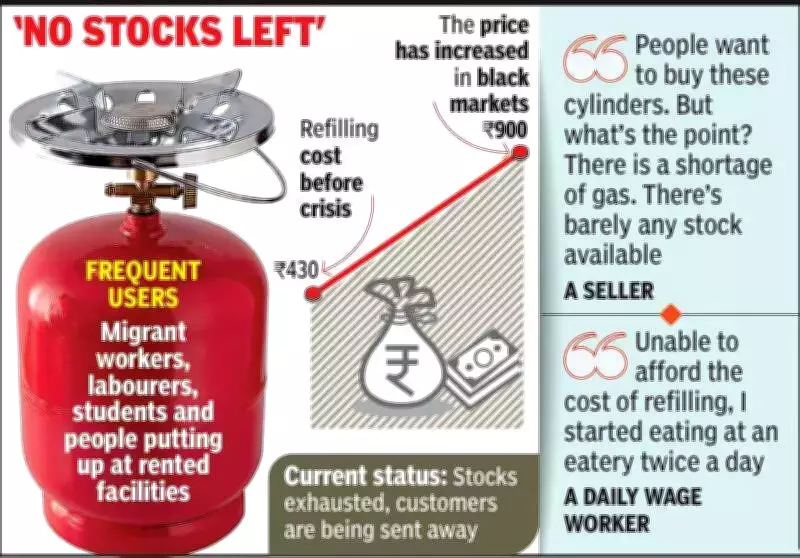
Several years ago, these 4-kilogram cylinders could be easily refilled in local markets for just Rs 50, making them a popular choice among daily wage workers, students, and those living in rented accommodations. They were commonly attached to burners for basic cooking needs, offering a cost-effective alternative to eating out. However, the situation has drastically changed. Today, these cylinders are barely available in many parts of the city, and where they are found, the refill price has surged to Rs 900, a 1,700% increase from the pre-war rate of Rs 430.
The gas supply in Kolkata has yet to normalize, exacerbating the crisis. Shops that once thrived on selling or refilling these mini cylinders, leading to areas like Chandni Chowk being nicknamed 'cylinder patti', are now struggling. A shopkeeper from Chandni Chowk, who has been in the business since 1978, explained how the market evolved. "Workers from other states employed in wholesale markets such as Chandni Chowk, Burrabazar, and Sealdah turned to these cylinders to cook simple meals, as they couldn't afford to eat out daily," he said. These workers became a steady customer base, but now the business has taken a severe hit.

Impact on Daily Lives and Black Market Emergence
The shortage and high costs are forcing people to make difficult choices. A daily wage earner from Canning, who works in Kolkata, shared his plight. Unable to afford the Rs 900 refill, he has started eating at an eatery twice a day, finding it cheaper than investing in refilling and cooking. He expressed fear that he might have to return to his native place if he fails to support his living expenses. This sentiment echoes among many low-income residents who rely on these cylinders for sustenance.
Compounding the issue, dealers involved in black marketing are exploiting the situation. They are asking customers to leave their cylinders with them, promising to provide refills once supply resumes. However, with stocks exhausted about 20 days ago, suppliers are often forced to turn customers away, advising them to seek alternative cooking methods. Another seller lamented, "People want to buy these cylinders, but what's the point? There is a shortage of gas, and there's barely any stock available."
Broader Context and Future Concerns
The crisis highlights how global conflicts, like the Israel-Iran war in the Middle East, can have direct and severe impacts on local economies. The disruption in energy supply chains has not only driven up prices but also created scarcity, affecting vulnerable populations the most. As the war continues, there are concerns that the situation may worsen, with the 'Gate of Tears' (Bab al-Mandeb) potentially emerging as another choke point after the Strait of Hormuz, further straining global trade and local markets in India.
For now, Kolkata's residents are left grappling with the harsh reality of inflated costs and limited options, underscoring the need for stable gas supply and affordable alternatives in times of international turmoil.






