

India's retail inflation rate showed a significant uptick in December 2025, moving further away from the ultra-low levels witnessed in recent months and setting the stage for a potential policy shift by the country's central bank.
Inflation Data Shows Clear Upward Trend
Official data released by the statistics ministry on Monday, 12th January 2026, revealed that the Consumer Price Index (CPI)-based inflation rose to 1.3% in December. This marks a notable increase from the 0.7% recorded in November and represents the highest reading in three months. The figure, however, came in below the consensus estimate of 1.6% predicted by economists in a recent poll.
This gradual rise signals a clear departure from a prolonged phase of exceptionally low inflation. For five out of the preceding six months, inflation had remained below the Reserve Bank of India's (RBI) lower tolerance band of 2%, within its mandated 2-6% target range.

Food Deflation Narrows, Base Effect Turns Unfavourable
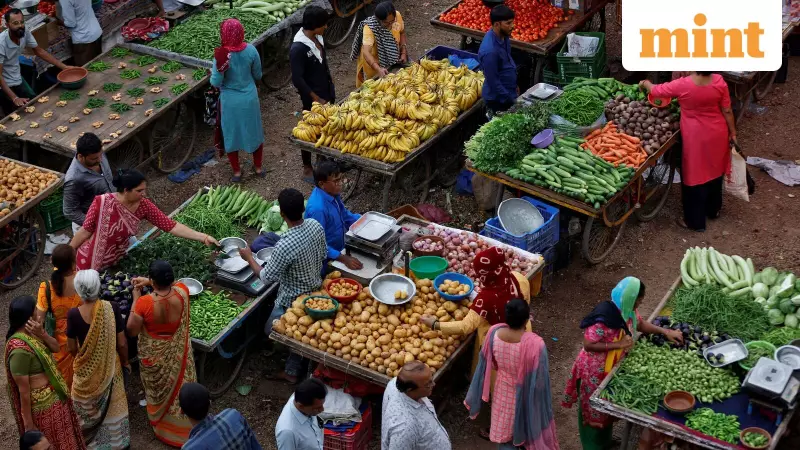
A key driver behind the low inflation phase has been the consistent deflation in food prices. Food inflation, which carries a substantial weight of nearly 40% in the CPI basket, has been in negative territory since June 2025. This was largely due to favourable supply conditions and a high base effect from the previous year.
However, the December data indicates a change. While food prices remained in deflation, the pace of decline narrowed considerably from -3.91% in November. Economists point to month-on-month data showing a sequential pick-up in food prices, suggesting that the deflationary trend that began in mid-2025 is nearing its end.
With the favourable base effect now fading, inflation is widely expected to accelerate towards the RBI's medium-term target of 4%. This shifting dynamic complicates the economic landscape for policymakers.
Implications for RBI Monetary Policy
The evolving inflation trajectory is set to influence the Reserve Bank of India's upcoming monetary policy decisions. The central bank, aided by benign inflation, has cut policy rates by a cumulative 125 basis points since February 2025.
The latest inflation print places the average CPI inflation for the third quarter of the fiscal year 2025-26 at 0.8%, slightly above the RBI's own projection of 0.6% for the quarter. While inflation remains comfortably below the 4% target, its upward drift is likely to prompt a more cautious stance.
The Monetary Policy Committee (MPC) is scheduled to meet on 4-6 February 2026. This meeting will follow the presentation of the Union Budget on 1st February, meaning the committee will have to weigh fiscal signals alongside the emerging trends in inflation and growth. The path for further rate cuts now appears more challenging.
The December inflation data serves as a critical indicator that the period of ultra-low inflation is concluding. All eyes are now on the upcoming budget and the RBI's response to these changing macroeconomic conditions.






