

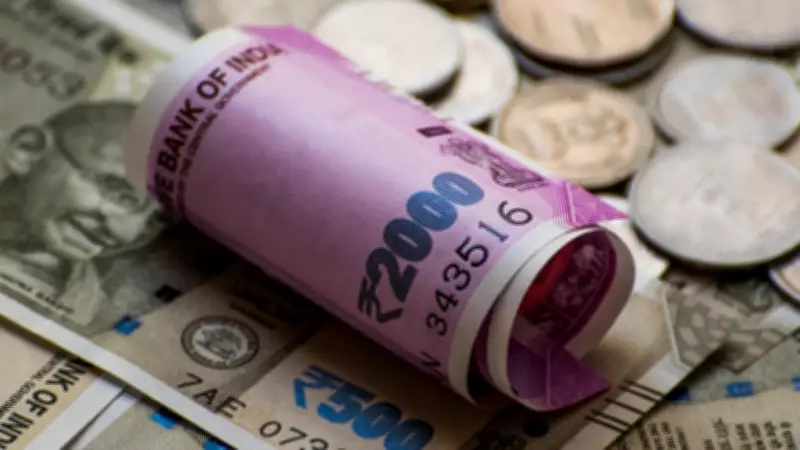
India's Foreign Exchange Reserves Experience Significant Decline
India's foreign exchange reserves have witnessed a substantial decrease of $11.41 billion, bringing the total to $698.346 billion, as per the latest data released by the Reserve Bank of India (RBI). This notable drop marks a significant shift in the country's financial standing, reflecting broader economic dynamics and global market conditions.
Historical Context and Recent Trends
The forex reserves had previously reached an all-time high of $728.494 billion during the week ended February 27, 2026. This peak was achieved before the onset of the West Asia conflict, which has since introduced volatility and uncertainty into global financial markets. The decline from this record level underscores the impact of geopolitical tensions on India's economic reserves.
Analysis of the Decline
The reduction in forex reserves can be attributed to several factors, including:

- Global Market Fluctuations: The West Asia conflict has led to increased instability in international markets, affecting currency valuations and reserve management.
- RBI Interventions: The central bank may have utilized reserves to stabilize the Indian rupee against external pressures, a common practice during periods of economic stress.
- Trade Dynamics: Changes in India's trade balance, including imports and exports, could have contributed to the outflow of foreign currency.
This decline highlights the interconnected nature of global economies and the importance of robust reserve management strategies in navigating uncertain times.
Implications for the Indian Economy
A decrease in forex reserves can have multiple implications for India's economic landscape:
- Currency Stability: Lower reserves might affect the RBI's ability to intervene in currency markets, potentially leading to increased volatility in the rupee's value.
- Investor Confidence: Significant drops in reserves could influence investor sentiment, impacting foreign direct investment and capital inflows.
- Economic Policy: Policymakers may need to reassess fiscal and monetary strategies to bolster reserves and ensure economic resilience.
Despite the decline, India's forex reserves remain substantial, providing a buffer against external shocks and supporting the country's economic stability.
Future Outlook and Monitoring
Moving forward, experts will closely monitor RBI data for trends in forex reserves, as they serve as a key indicator of India's economic health. Factors such as global conflict resolutions, trade agreements, and domestic economic policies will play crucial roles in determining future reserve levels. The current situation underscores the need for adaptive financial management in a rapidly changing world.






