

India Implements Fuel Tax Cuts as Global Oil Markets Face Turmoil
In a decisive move to protect its citizens from the escalating global energy crisis, the Indian government has announced significant reductions in excise duties on petrol and diesel. This action provides immediate financial relief to consumers at fuel pumps across the nation, directly addressing concerns over rising costs.
Proactive Measures Amid International Instability
The global energy landscape is currently experiencing severe turbulence, primarily driven by escalating geopolitical tensions in West Asia. These disruptions have created uncertainty around critical oil supply routes, including the strategically vital Strait of Hormuz. In response to these challenges, India has demonstrated remarkable foresight by securing nearly two months of crude oil supply in advance.
This strategic stockpiling has been instrumental in preventing market panic and maintaining remarkable stability within domestic fuel markets. The government's approach reflects a sophisticated understanding of global supply chain dynamics and a commitment to economic resilience.

Stark Policy Contrast With Neighbouring Pakistan
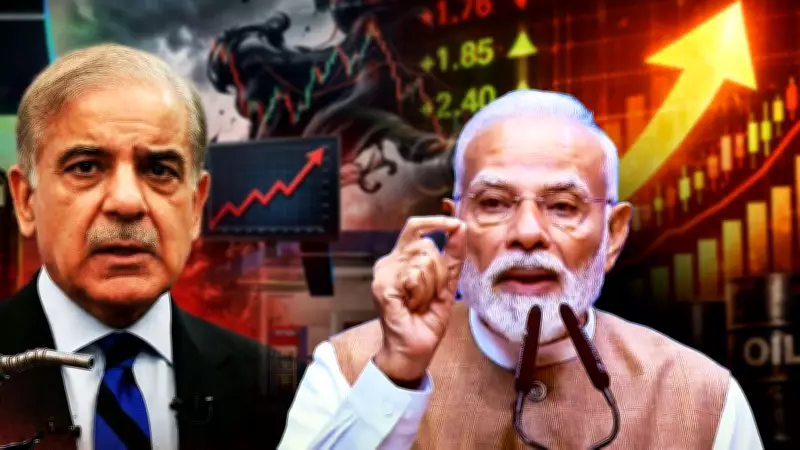
While India implements consumer-friendly measures, neighbouring Pakistan presents a contrasting scenario. The Pakistani government has recently increased fuel levies, resulting in substantially higher costs for its citizens. This policy divergence highlights fundamentally different approaches to managing economic pressures during global crises.
The situation in Pakistan underscores the challenges many nations face when balancing fiscal requirements with public welfare during periods of international market volatility.
Broader Asian Context and Strategic Shifts
Across the Asian continent, countries are actively scrambling to secure reliable oil supplies as global demand continues to rise. Many nations are increasingly turning to alternative sources, particularly Russian oil, to diversify their energy portfolios and reduce dependency on traditional suppliers.
India's comprehensive strategy represents a significant shift toward proactive economic planning and supply chain diversification. The nation is systematically building buffers against global shocks while prioritizing the energy security needs of its 1.4 billion citizens.
This multifaceted approach combines immediate consumer relief with long-term strategic planning, positioning India favorably within the rapidly evolving global energy landscape. The government's actions demonstrate a clear commitment to shielding the domestic economy from external volatility while ensuring affordable energy access for all citizens.






