

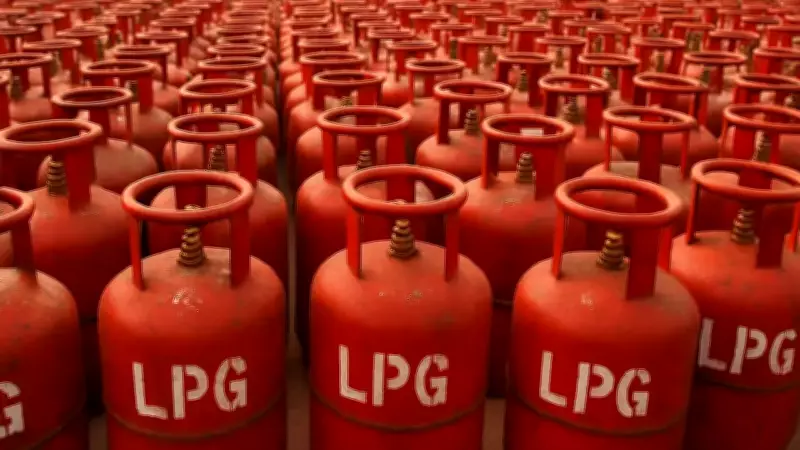
Centre Increases Commercial LPG Allocation to 70% Amid Global Energy Pressures
In response to the ongoing Middle East conflict, which continues to strain global energy supplies, the Indian government has directed states to enhance commercial LPG distribution. The Centre has proposed increasing the allocation to 70% of pre-crisis levels, up from the previous 50%, to bolster industrial operations across the country.
Revised Plan for LPG Distribution
Dr. Neeraj Mittal, Secretary of the Ministry of Petroleum and Natural Gas, communicated this revised strategy in a letter to chief secretaries of all states and Union territories. The letter stated, "in addition to the existing 50% allocation above, an additional 20% is now proposed, that would bring the total commercial LPG allocation to 70% of the pre-crisis level of the packed non-domestic LPG." This move aims to mitigate disruptions caused by international tensions and ensure a steady supply for critical sectors.
Priority Industries and Eligibility Criteria
The additional LPG supplies will be prioritized for labor-intensive industries that play a vital role in supporting essential economic activities. Key sectors set to benefit include:

- Steel
- Automobile
- Textile
- Dye
- Chemicals
- Plastics
Within these industries, preference will be given to process units that rely on LPG for specialized heating needs that cannot be substituted by natural gas. To qualify for the extra 20% allocation, industries must register with oil marketing companies (OMCs) and apply for PNG connections with city gas distribution (CGD) entities. However, these requirements will be waived for sectors where LPG use is irreplaceable by natural gas.
Government's Call for Immediate Action
Dr. Mittal also urged states to promptly utilize a 10% reform-based allocation if they have not already done so. He emphasized, "I also urge all states to avail of the 10% reform-based allocation immediately, if they have not already done so." Combining this with the increased commercial allocation, the total LPG availability for industrial use will reach 70%, providing significant relief to operations nationwide.
Reassurance on Energy Security
This directive follows a recent government assurance on fuel security, asserting that there is no shortage of petrol, diesel, or LPG in India. The ministry highlighted that the supply network remains robust and warned against misinformation campaigns aimed at causing consumer panic. It clarified that LPG refill booking timelines have not been altered, and domestic availability is sufficient.
To meet demand, refinery production has been increased by 40%, now reaching 50 TMT per day, which covers over 60% of the estimated daily demand of 80 TMT. This has reduced import reliance to 30 TMT daily. The government has secured 800 TMT of LPG cargoes from the United States, Russia, and Australia, with deliveries managed through 22 import terminals—a significant upgrade from 11 in 2014. Currently, India has about one month's supply of LPG secured, with ongoing procurement efforts.
Oil marketing companies are distributing over 50 lakh cylinders daily. Demand had briefly surged to 89 lakh cylinders due to panic buying but has since normalized. Earlier, commercial LPG allocation was raised to 50% in consultation with states to prevent hoarding and black marketing.
Additional Measures to Stabilize Prices
To protect consumers from rising oil prices influenced by the West Asia crisis, the government has reduced central excise duty on petrol and diesel by Rs 10 per litre each for domestic consumption. Union Finance Minister Nirmala Sitharaman explained in a social media post that this decision aims to shield consumers from price hikes. Furthermore, export duties have been imposed on diesel at Rs 21.5 per litre and on Aviation Turbine Fuel at Rs 29.5 per litre to ensure adequate domestic availability.






