

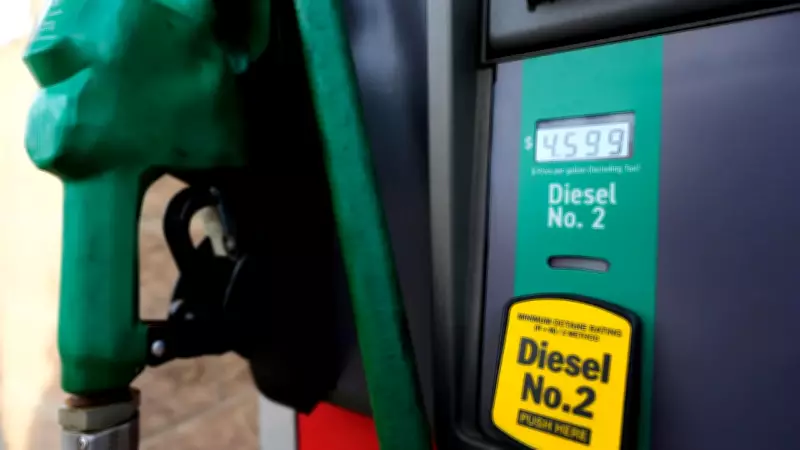
India Imposes Export Duties on Diesel and Turbine Fuel to Enhance Domestic Availability
The government has introduced export duties on diesel and turbine fuel, a strategic move designed to bolster the availability of these critical products within the domestic market. According to a statement from the Central Board of Indirect Taxes and Customs (CBIC) chairman on Friday, this initiative aims to address supply concerns and strengthen the nation's energy security amidst fluctuating global conditions.
Revenue and Rationale Behind the New Duties
The newly imposed export duties are projected to generate approximately Rs 1,500 crore in revenue over a two-week period. This financial boost comes as part of a broader effort to ensure adequate fuel supplies for Indian consumers and industries, particularly in light of ongoing disruptions in global oil supply chains linked to the Middle East conflict.
Parallel Reduction in Excise Duties on Petrol and Diesel
In a complementary measure, the government has reduced special excise duties on petrol and diesel to alleviate under-recoveries faced by Oil Marketing Companies (OMCs). Officials have confirmed that retail prices for these key fuels will remain unchanged, providing a cushion for consumers. Specifically, the special additional excise duty on petrol has been lowered to Rs 3 per litre from Rs 13 per litre, while the duty on diesel has been eliminated entirely, dropping from Rs 10 per litre to zero.

Global Oil Market Dynamics and Domestic Impact
Global crude oil prices experienced a slight easing on Friday, with Brent crude falling 2.08% to $105.75 per barrel and West Texas Intermediate (WTI) declining 1.94% to $92.67 as of 7:50 am IST. This decline followed a sharp rally in the previous session, where Brent had surged 4.8% to $101.89 per barrel due to concerns over disruptions in the Strait of Hormuz. Despite the recent dip, prices remain significantly higher than pre-conflict levels of around $70 per barrel.
Domestically, Nayara Energy, India's largest private fuel retailer, raised petrol prices by Rs 5 per litre and diesel by Rs 3 per litre on Thursday, citing rising input costs associated with Middle East tensions. The company, which operates 6,967 of India's 102,075 petrol pumps, has passed on part of these cost increases to consumers, as reported by PTI sources.
Strategic Implications for Energy Security
This dual approach of imposing export duties and reducing excise duties underscores the government's commitment to stabilizing fuel supplies and protecting consumers from price volatility. By ensuring adequate domestic availability and supporting OMCs, the measures are expected to contribute to long-term energy security and economic resilience in the face of evolving global challenges.






