

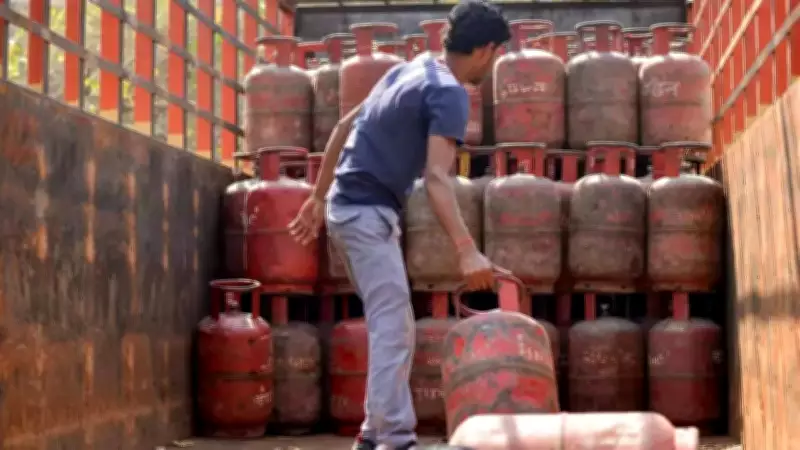
India Considers Reducing LPG Cylinder Sizes to Tackle Supply Concerns
Mounting uncertainties in global energy supply, driven by escalating tensions in West Asia, have prompted the Indian government to explore fresh measures for managing domestic LPG availability. Key proposals under discussion include providing lesser volumes of the fuel in refilled cylinders and potentially extending the waiting period for ordering refills.
Proposed Changes to Cylinder Quantities
Currently, each domestic LPG cylinder in India contains 14.2 kilograms of fuel. In response to concerns over fuel tanker movements through critical routes like the Strait of Hormuz, the Centre has directed oil marketing companies (OMCs) to assess the feasibility of reducing this to 10 kilograms or even 7 kilograms per cylinder. Officials indicate that this move is aimed at ensuring equitable distribution, preventing shortages, and minimizing pilferage amid volatile international conditions.
An OMC source explained, "Some options are being discussed to address supply chain risks. Reducing the LPG content in domestic cylinders is one strategy to stretch available resources across more households during this period of uncertainty."

Consumer and Dealer Reactions
However, consumers have expressed strong dissatisfaction with the proposal. Gaurav Saxena, a resident of Taratala in Kolkata, highlighted practical concerns: "One cylinder typically lasts about 15 days in our home. If it's reduced to 10kg or 7kg, it might only last 7 to 9 days. With existing rules preventing bookings before 25 days from the last delivery, how will families manage their daily cooking needs?"
LPG dealers are also apprehensive. A dealer from south Kolkata noted, "We are already grappling with rising demand, booking failures, and e-KYC issues. Any change in supply quantity could complicate operations further and lead to accusations of theft." Distributors added that handling more cylinders of smaller sizes would increase logistical pressures, though it might be necessary to enhance access.
Potential Extension of Waiting Periods
Amid ongoing consumer complaints about booking confirmations and delivery delays, reports suggest that the waiting period for ordering refills may be extended from 25 to 30 days post-delivery. A source within an OMC confirmed, "There is a strong possibility of increasing the waiting period to manage supply constraints more effectively."
Homemaker Anindita Sen from Chetla shared her frustration: "Even after a booking is confirmed, there's no clarity on when the cylinder will actually arrive." Rajesh Gupta from New Alipore echoed this, stating, "The current system lacks transparency, making it difficult for households to plan."
Broader Implications and Challenges
Distributors find themselves caught between supply limitations and customer dissatisfaction. A Kolkata-based LPG distributor remarked, "We are doing our best to manage deliveries under tight supply conditions, but adhering to regulations while meeting consumer expectations is increasingly challenging."
The proposed shift to smaller cylinders, while intended to optimize distribution, raises significant questions about operational efficiency and household impact. As global energy dynamics remain unstable due to West Asia conflicts, India's efforts to safeguard domestic LPG supply highlight the delicate balance between resource management and public convenience.






