

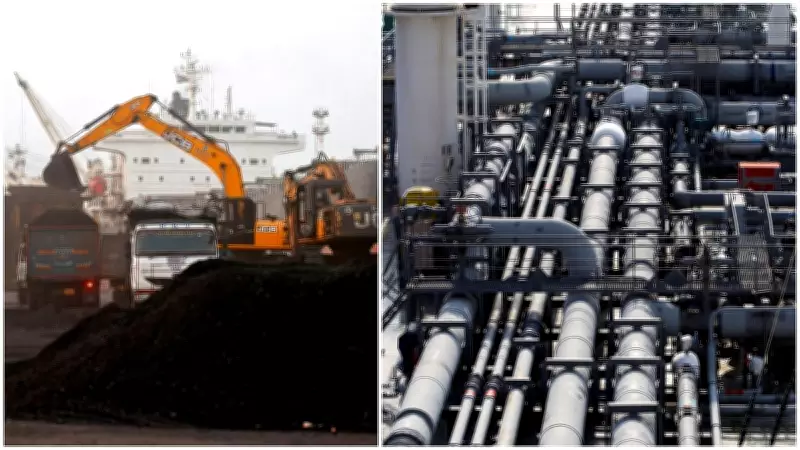
India Ramps Up Coal Power Generation to Counter LNG Shortages from West Asia
In response to escalating tensions in West Asia that have severely impacted liquefied natural gas (LNG) imports, India is strategically pivoting towards coal to meet its soaring electricity demands during the upcoming summer months. The power ministry has initiated measures to bolster thermal power output, emphasizing the critical need to maintain grid stability and avoid potential blackouts as temperatures rise.
Government Directives to Enhance Coal-Based Electricity Production
An official from the power ministry confirmed that authorities are actively working to bring coal-fired power plants out of their scheduled maintenance outages ahead of the peak summer season. Additionally, generators have been advised to postpone or avoid any planned shutdowns during this period to maximize availability. This proactive approach aims to ensure a reliable power supply across the nation, particularly in regions heavily dependent on imported LNG, which has become increasingly volatile due to the ongoing crisis in West Asia.
The shift underscores India's reliance on domestic coal reserves as a buffer against global energy market fluctuations. With LNG prices surging and supplies constrained, coal emerges as a more stable and cost-effective alternative for base-load power generation. Experts note that this move aligns with India's broader energy security strategy, which balances renewable energy expansion with the pragmatic use of traditional fossil fuels during periods of high demand or supply chain disruptions.

Implications for Summer Power Management and Energy Policy
As summer approaches, the power ministry's focus on coal is expected to mitigate risks associated with LNG shortages, which could otherwise lead to electricity rationing or increased costs for consumers. The decision reflects a calculated response to external geopolitical factors, highlighting the interconnectedness of global energy markets and regional conflicts. While environmental concerns persist regarding coal's carbon emissions, officials stress that this is a temporary measure to address immediate supply challenges, with long-term commitments to cleaner energy sources remaining intact.
Industry analysts predict that this strategy will help stabilize power grids during peak usage hours, supporting economic activities and household needs. However, they also caution that sustained reliance on coal may require enhanced efficiency measures and pollution control technologies to minimize environmental impact. The situation in West Asia continues to be monitored closely, with India prepared to adjust its energy mix as conditions evolve, ensuring a resilient and adaptable power sector in the face of uncertainty.






