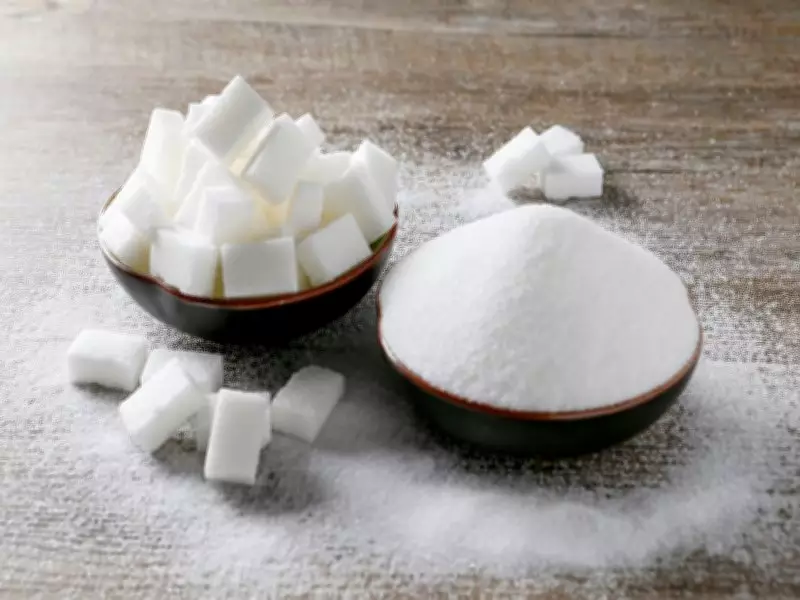
The Indian government has announced a complete ban on sugar exports with immediate effect, a measure that will remain in place until September 2026. This decision aims to prioritize domestic supply and curb rising prices in the local market.
Reasons Behind the Ban
The ban comes in response to concerns over sugar production levels and the need to maintain adequate stocks for domestic consumption. With global sugar prices soaring, the government seeks to shield Indian consumers from inflationary pressures. Additionally, the move is expected to stabilize the sugar market and ensure that local demand is met without disruptions.
Impact on the Sugar Industry
India is one of the world's largest sugar producers and exporters. The ban will likely affect global sugar prices, which have already been volatile due to supply chain issues and weather-related disruptions in key producing regions. Domestic sugar mills may face revenue losses from export earnings, but the policy aims to prioritize national food security.

Government's Statement
In an official notification, the Directorate General of Foreign Trade (DGFT) stated that the export policy for sugar will be reviewed periodically. The prohibition applies to all forms of sugar, including raw, refined, and organic varieties. However, exports under the tariff rate quota (TRQ) to the United States and European Union may be exempted, subject to conditions.
Market Reactions
Following the announcement, sugar stocks on Indian exchanges witnessed mixed reactions. While some companies faced a decline in share prices, others anticipated that the ban could lead to higher domestic prices, benefiting local producers. Traders and exporters are now assessing the long-term implications for the global sugar trade.
Alternative Measures
The government has also considered other measures, such as increasing the minimum selling price of sugar and providing subsidies to mills to clear cane arrears. The ban is part of a broader strategy to manage food inflation and ensure the availability of essential commodities.
This decisive action underscores India's commitment to securing its domestic food supply amid global uncertainties. The ban will be in effect until September 2026, subject to further review based on production and demand scenarios.