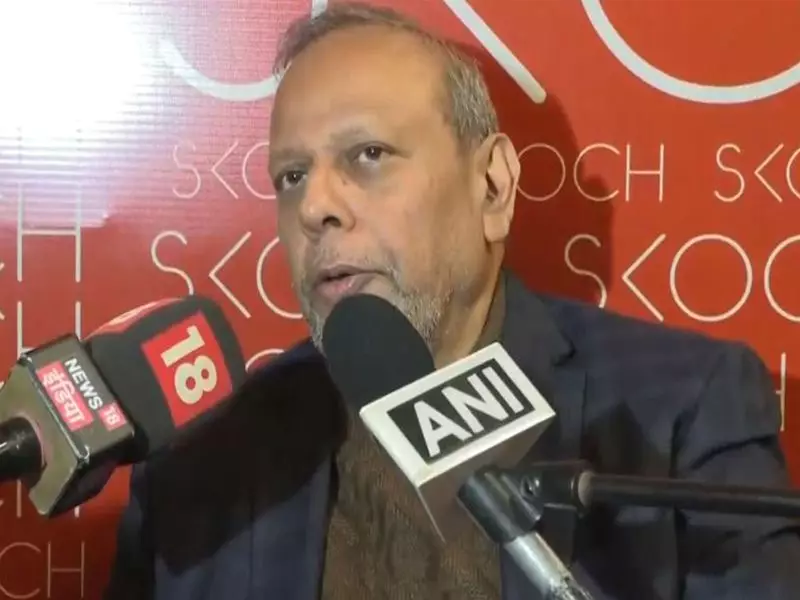
The Union Budget for the financial year 2026 will be a critical milestone in India's long-term economic strategy, with a sharp focus on achieving specific fiscal deficit and debt reduction goals. This strategic direction is central to the broader 'Viksit Bharat' (Developed India) plan, according to the Chairman of the Economic Advisory Council to the Prime Minister (PMEAC), Dr. Bibek Debroy.
The Fiscal Consolidation Roadmap
In a recent interview, Dr. Debroy emphasized that the government is committed to a clear path of fiscal consolidation. The immediate target is to bring the fiscal deficit down to 4.5% of the Gross Domestic Product (GDP) by the financial year 2025-26. This goal was initially set by Finance Minister Nirmala Sitharaman. The planning for the 2026 budget is actively being shaped around this crucial objective.
The broader vision extends beyond just the deficit figure. The PMEAC Chairman highlighted that managing the overall debt-to-GDP ratio is equally important for sustainable economic health. A lower fiscal deficit directly contributes to stabilizing and eventually reducing the public debt burden, creating more room for productive government spending and private investment.

Laying the Groundwork for a Developed India
This disciplined fiscal approach is not an end in itself but a means to a larger national ambition. The 'Viksit Bharat' plan envisions India as a developed nation by 2047, the centenary of its independence. Achieving this status requires massive investments in infrastructure, technology, healthcare, and education.
A prudent fiscal policy, as outlined for Budget 2026, ensures that the government can finance these ambitious development projects without triggering high inflation or crowding out private capital. By adhering to deficit targets, the government aims to maintain macroeconomic stability, which is the bedrock for attracting long-term investments, both domestic and foreign.
Strategic Implications and Economic Priorities
The focus on fiscal consolidation signals a strategic shift as India moves past the immediate recovery phase from global economic shocks. The government's spending priorities will likely become more targeted, emphasizing capital expenditure that boosts growth potential over broad-based subsidies.
Dr. Debroy's statements suggest that the 2026 budget will be a carefully calibrated document designed to:
- Reinforce investor confidence by demonstrating a commitment to fiscal discipline.
- Create a sustainable framework for funding the massive infrastructure needs of a growing economy.
- Ensure that growth is inclusive and generates sufficient employment opportunities.
This roadmap indicates that while the government remains committed to supporting growth, it is equally focused on building resilience against future economic uncertainties. The success of this fiscal strategy will be pivotal in determining the pace and stability of India's journey towards becoming a developed nation, making the Union Budget 2026 a document of paramount importance for the country's economic future.