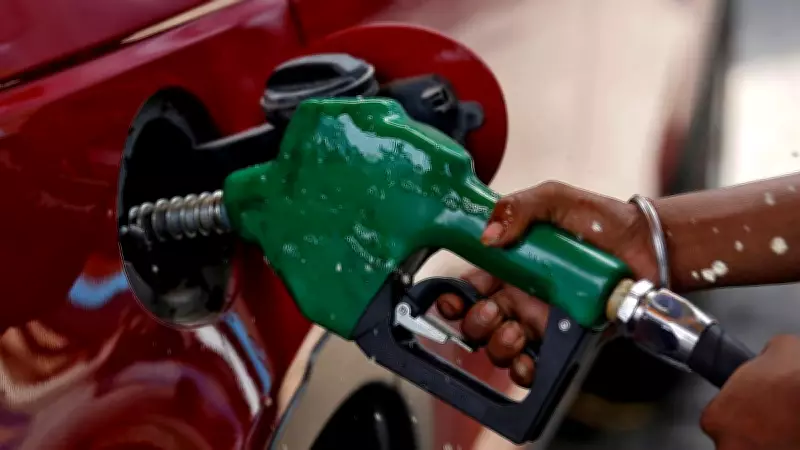
The Indian government has announced the lifting of restrictions on the sale of petrol and diesel, effective from July 1, 2023. This move allows fuel retailers to set their own prices, ending the previous system where prices were regulated by the government. The decision is expected to bring more competition in the fuel retail market and potentially lead to lower prices for consumers.
Background of the Restrictions
The restrictions were initially imposed during the COVID-19 pandemic to control fuel prices and ensure affordability. Under the previous system, the government regulated the prices of petrol and diesel, which were revised daily based on international crude oil prices and other factors. This system was put in place to protect consumers from volatile global oil prices.
However, the government has now decided to deregulate the sector, allowing oil marketing companies (OMCs) to fix prices based on market conditions. According to the Ministry of Petroleum and Natural Gas, the decision was taken after reviewing the current market situation and the stability of global crude oil prices.

Impact on Consumers and Fuel Retailers
With the lifting of restrictions, fuel retailers such as Indian Oil Corporation (IOC), Bharat Petroleum Corporation Limited (BPCL), and Hindustan Petroleum Corporation Limited (HPCL) will have the freedom to set their own prices. This could lead to price variations across different regions and even among different retailers in the same area. Consumers may benefit from increased competition, which could drive prices down.
However, there is also a possibility that prices could rise in some areas where competition is limited. The government has assured that it will monitor the situation closely to prevent any unfair pricing practices. According to a statement from the Ministry, “The deregulation will lead to a more efficient market and better service for consumers.”
Reactions from Industry Experts
Industry experts have welcomed the move, stating that it will bring transparency and efficiency to the fuel retail sector. “This is a positive step towards market-driven pricing,” said an analyst from a leading consulting firm. “It will encourage competition and innovation among retailers.”
However, some consumer groups have expressed concerns about potential price hikes. “The government must ensure that there is adequate regulation to prevent cartelization and price gouging,” said a representative from a consumer rights organization.
Government’s Rationale
The government has stated that the decision is part of its broader economic reforms aimed at reducing subsidies and promoting market forces. The move is also expected to reduce the fiscal burden on the government, which has been subsidizing fuel prices to keep them affordable. According to official data, the government spent over ₹1.5 lakh crore on fuel subsidies in the last fiscal year.
The Ministry of Petroleum and Natural Gas has also clarified that the deregulation will not affect the supply of fuel. “The supply of petrol and diesel will continue to be adequate, and there will be no shortage,” the Ministry said in a statement.
Timeline and Implementation
The new rules will come into effect from July 1, 2023. Fuel retailers are expected to announce their new pricing strategies in the coming weeks. The government has also set up a monitoring mechanism to ensure compliance with the new rules.
In conclusion, the lifting of restrictions on the sale of petrol and diesel marks a significant shift in India’s fuel pricing policy. While it is expected to bring benefits in the long run, consumers may experience some short-term volatility in prices. The government has assured that it will take necessary steps to protect consumer interests.