Centre Amends Shipping Laws to Propel India as Major Marine Power
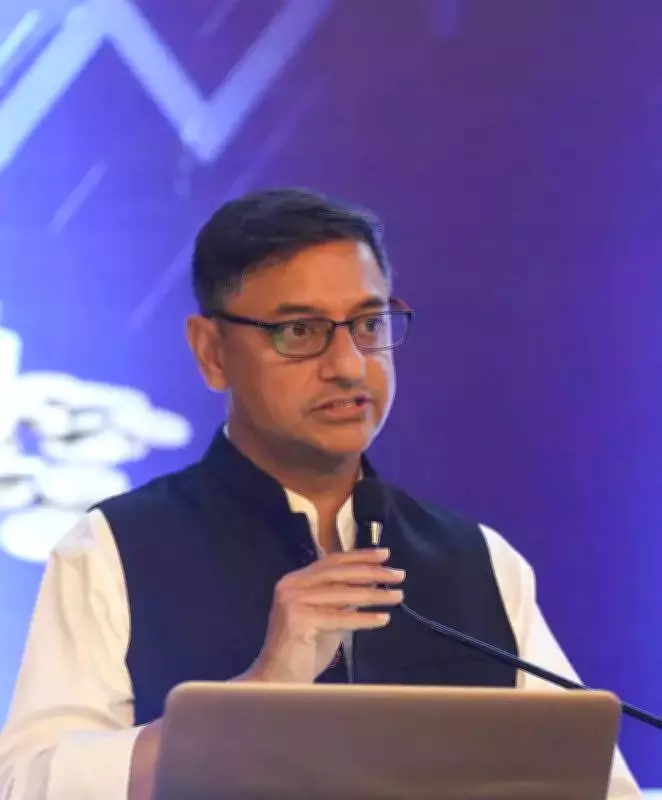
In a significant move to bolster India's maritime sector, the Centre has amended laws related to shipping to help the shipbuilding industry flourish and modified maritime rules to ensure the nation becomes a major marine power. This announcement was made by Sanjeev Sanyal, a member of the Economic Advisory Council to the Prime Minister, during a shipping and logistics conclave in Kolkata on Wednesday.
Reducing Dependence on Foreign Vessels
Sanyal highlighted a critical issue facing India's economy: the country currently depends on foreign vessels for 90% of its exports and imports. He emphasized that the shipping industry holds immense potential to support economic growth and generate substantial employment opportunities. "The shipping industry will support our economy. It has huge job potential," Sanyal stated, underscoring the strategic importance of these legal amendments.
Leveraging Kolkata's Maritime Heritage
Recalling Bengal's rich maritime history, with ancient ports such as Tamralipta and Chandraketugarh, Sanyal remarked that Bengalis have "shipping business in their blood." He outlined efforts to leverage both the Syamaprasad Mookerjee Port (Kolkata Port) and GRSE (Garden Reach Shipbuilders & Engineers Limited) to boost the city's economy. Additionally, he stressed the need for strategic use of land owned by the port to maximize its economic impact.

AI Summit and Educational Reforms
Sanyal also touched upon technological advancements, noting that the recent AI summit would aid in the growth of IT and allied sectors. He urged people to embrace artificial intelligence, pointing out that traditional university lectures are becoming outdated and that leveraging AI is crucial for future development.
Historical Insights and Judicial Reforms
Later in the day, at a programme hosted by the Merchants' Chamber of Commerce and Industry (MCCI), Sanyal praised the Indian Salt Service, launched in 1806, as the oldest service in the country. He also discussed the Tariff Commission, which existed between 1991 and 2022 but had no real role in India's tariff policy. "When I enquired about the efficacy of the commission in 2022, it was shut down as there were no policy inputs, though no jobs were lost," he explained. Sanyal further advocated for judicial reforms to enhance governance.
Infrastructure and Development Focus
Drawing a comparison with Vietnam, Sanyal noted that cities there are much cleaner despite lower per capita income, urging India to follow suit. He termed Kolkata the growth hub of eastern India and suggested infrastructure improvements and riverfront development to boost its potential. Additionally, he highlighted that Haldia Port has significant scope for development, emphasizing the need for focused efforts to enhance maritime infrastructure across the region.