

Budget 2026 Unveils Major Boost for Aerospace Sector with Customs Duty Exemption
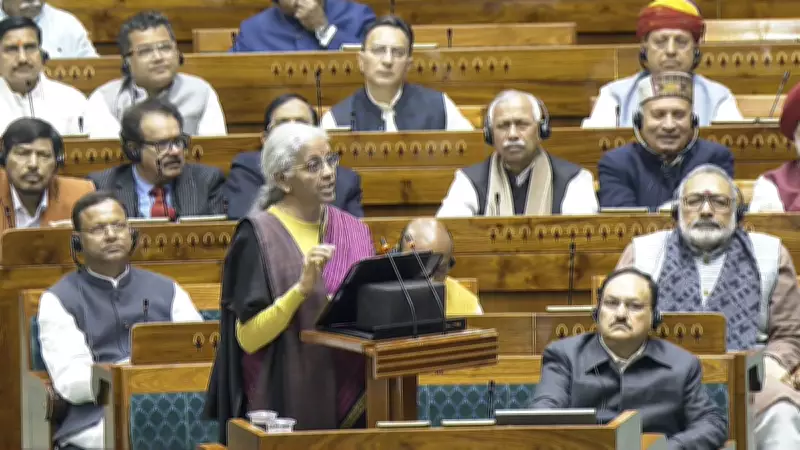
In a significant move aimed at propelling India's aerospace and aviation industry, Finance Minister Nirmala Sitharaman announced a comprehensive customs duty exemption on the manufacturing of aircraft during the presentation of the Union Budget for the fiscal year 2026-27. This landmark decision is expected to catalyze domestic production, reduce dependency on imports, and position India as a competitive hub for aircraft manufacturing on the global stage.
Key Highlights of the Budget Announcement
The exemption applies to all customs duties levied on components, raw materials, and machinery essential for the assembly and production of aircraft within the country. This policy shift is designed to lower production costs significantly, making it more economically viable for both domestic and international manufacturers to establish or expand their operations in India.
Finance Minister Nirmala Sitharaman emphasized that this initiative aligns with the government's broader vision of "Atmanirbhar Bharat" (Self-Reliant India), focusing on enhancing indigenous capabilities in high-technology sectors. By removing financial barriers, the government aims to attract substantial foreign direct investment (FDI) and foster collaborations with global aerospace giants.

Expected Impact on the Industry and Economy
The customs duty exemption is projected to have a multifaceted impact:
- Boost to Domestic Manufacturing: Indian companies involved in aircraft production, including both commercial and defense sectors, will benefit from reduced input costs, potentially leading to increased output and innovation.
- Job Creation: The growth in manufacturing activities is likely to generate numerous employment opportunities across various skill levels, from engineering to assembly line workers.
- Enhanced Global Competitiveness: With lower production expenses, Indian-made aircraft could become more attractive in international markets, boosting exports and improving the trade balance.
- Infrastructure Development: The move may spur investments in related infrastructure, such as aerospace parks and research facilities, further strengthening the ecosystem.
Industry experts have welcomed the decision, noting that it addresses long-standing challenges faced by manufacturers due to high import duties. This exemption is seen as a strategic step to compete with established aerospace hubs in countries like the United States, Europe, and China.
Accessing the Official Budget Document
For detailed information, stakeholders and the public can refer to the official Budget 2026 document, which outlines the specifics of the customs duty exemption and other fiscal measures. The PDF version is available for download from government portals, providing comprehensive insights into the policy framework and its implementation guidelines.
This initiative underscores the government's commitment to transforming India into a global manufacturing powerhouse, with the aerospace sector poised to play a pivotal role in the nation's economic growth trajectory over the coming years.






