Union Budget 2026 Establishes Strategic Framework for Automotive and EV Industries
The recently announced Union Budget for the fiscal year 2026 has unveiled a comprehensive plan to fortify the foundational elements of India's automotive and electric vehicle (EV) supply chains. This initiative represents a significant step forward in the government's ongoing efforts to enhance domestic manufacturing capabilities and reduce reliance on imports.
Building on Semiconductor Success with ISM 2.0
In a move that builds upon the achievements of the India Semiconductor Mission (ISM) 1.0, which successfully expanded the nation's semiconductor capabilities, the government has proposed the launch of ISM 2.0. This next phase aims to further deepen and broaden India's semiconductor ecosystem, which is crucial for the advancement of modern automotive technologies, including electric vehicles.
The integration of enhanced semiconductor production with automotive supply chains is expected to create a synergistic effect, driving innovation and efficiency across both sectors. This strategic alignment underscores the government's vision of creating a self-reliant and globally competitive manufacturing landscape.

Key Focus Areas for Automotive and EV Supply Chains
The budget outlines several key areas of focus designed to strengthen the automotive and EV supply chains:
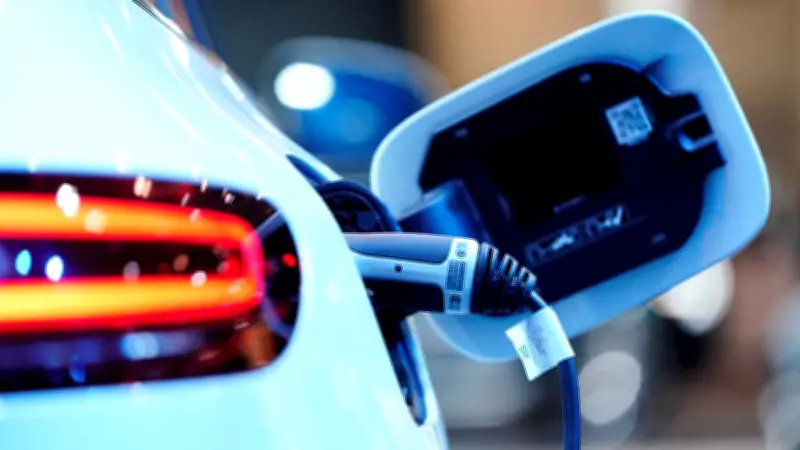
- Infrastructure Development: Investments in charging infrastructure and manufacturing hubs to support EV adoption and production.
- Research and Innovation: Funding for R&D in battery technologies, lightweight materials, and autonomous driving systems.
- Skill Development: Programs to train the workforce in advanced manufacturing techniques and EV maintenance.
- Policy Support: Incentives for domestic component manufacturers and measures to streamline regulatory processes.
These initiatives are poised to not only boost the automotive sector but also contribute to broader economic growth, job creation, and technological advancement. By addressing critical gaps in the supply chain, the government aims to position India as a key player in the global automotive and EV markets.
The Union Budget 2026, therefore, sets a clear trajectory for the future of mobility in India, emphasizing sustainability, innovation, and domestic strength. As the details of ISM 2.0 and related policies unfold, stakeholders across the automotive and technology sectors are watching closely, anticipating a transformative impact on the industry.