

Bhopal Households Forced to Black Market for LPG as Global Tensions Disrupt Supply Chains
The escalating geopolitical tensions worldwide, particularly involving conflicts in the Middle East, are now manifesting in unexpected ways, reaching the very heart of household kitchens in Bhopal. A recent consumer survey has uncovered that supply chain fears and energy market volatility are driving residents to seek alternative, often illegal, sources for essential cooking fuel.
Survey Reveals Alarming Trend in LPG Procurement
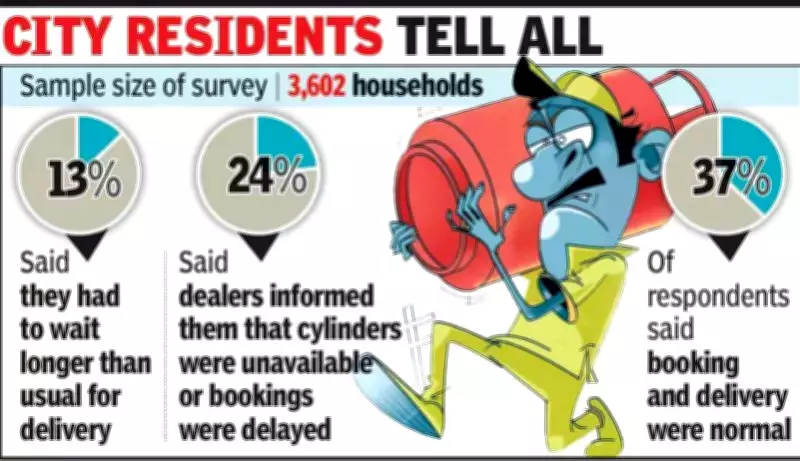
According to the comprehensive "Pulse of Household Consumers on LPG" survey conducted by the citizen engagement platform LocalCircles, a significant portion of Bhopal's population is experiencing difficulties in securing domestic LPG cylinders through official channels. The survey, which engaged 3,602 households across the city, paints a concerning picture of the current supply landscape.
While 37% of respondents reported normal booking and delivery processes for their LPG cylinders, the remaining 63% faced various levels of disruption and inconvenience. Specifically, 13% of households had to endure longer than usual waiting periods for cylinder delivery, highlighting growing delays in the supply chain.

More troubling, 24% of survey participants revealed that dealers explicitly informed them about cylinder unavailability or booking delays, while 15% stated they needed to repeatedly follow up with distributors to ensure delivery. These challenges have created a perfect storm for black market activities to flourish.
Black Market Emergence and Premium Pricing
The most startling finding from the LocalCircles survey indicates that 11% of Bhopal households admitted to purchasing domestic LPG cylinders through the black market within the past week. Although this figure remains slightly below the national average of 14% reported in the same survey, it represents a significant development for the city's energy security.
This black market activity is accompanied by the emergence of illegal premium pricing for LPG cylinders. While 65% of respondents confirmed no black market purchases in their household or immediate neighborhood, the remaining 35% reported various forms of unofficial transactions.
Among those engaging in black market purchases, 9% disclosed paying more than Rs 500 above the official government-regulated price for their cylinders. Another 12% acknowledged buying cylinders outside the official distribution system but could not specify the exact premium amount, suggesting a lack of transparency in these transactions.
Distributor Warnings and Supply Concerns
The survey findings suggest that concerns about supply disruptions are being actively reinforced by LPG distributors themselves. In Bhopal, 39% of respondents reported that dealers explicitly warned them about current cylinder shortages, while 29% said distributors cautioned that supply might face significant delays in the coming period.
These warnings from official channels appear to be validating consumer fears about potential supply chain breakdowns, creating a self-reinforcing cycle of anxiety and preemptive action among households. The situation reflects how global geopolitical tensions, particularly those affecting major oil-producing regions, can translate into local supply challenges for essential commodities.
Comparative Analysis and Future Outlook
For Bhopal residents, the current situation, while concerning, remains less severe than in some other parts of India where black market penetration has reached higher levels. However, the early signs of supply stress and rising premiums indicate a troubling trend that could worsen if global tensions persist or escalate further.
The LocalCircles survey serves as an important early warning system, highlighting how international conflicts and energy market volatility can have direct, tangible impacts on household economics and daily life in Indian cities. As geopolitical uncertainties continue to influence global supply chains, monitoring these domestic indicators becomes increasingly crucial for policymakers and consumers alike.






