Former Planning Chief Advocates State Fiscal Independence
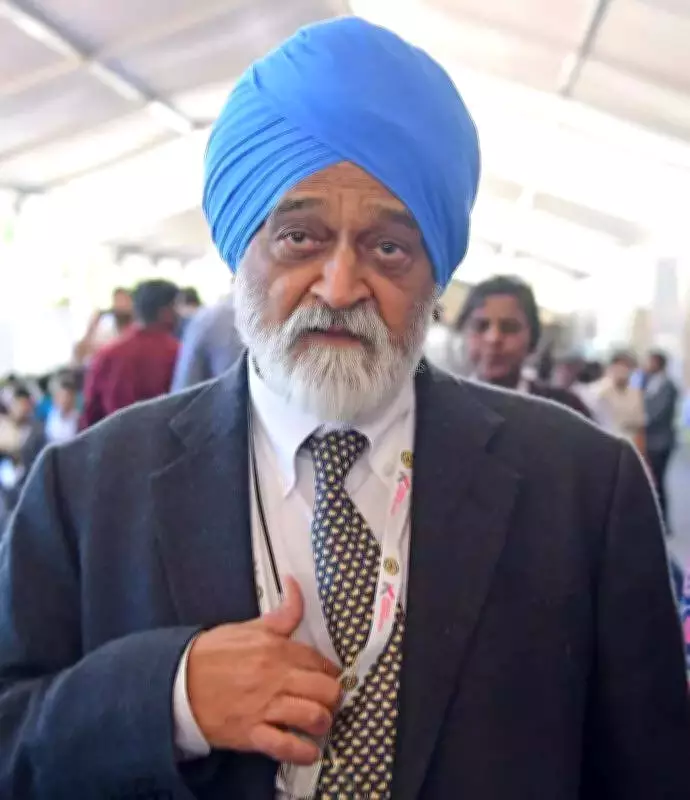
In a significant address in Hyderabad, former Planning Commission deputy chairman Montek Singh Ahluwalia on Wednesday urged state governments across India to substantially widen their own revenue bases instead of depending heavily on central transfers. He specifically suggested that income from diversified medium-sized land holdings could be brought under taxation at modest rates.
Call for Agricultural Taxation and Local Body Funding
Delivering a key speech on the recommendations of the 16th Finance Commission at an event organised by the Centre for Economic and Social Studies (CESS), Ahluwalia emphasised that such a move would allow states to retain the proceeds and significantly strengthen their financial positions. He questioned the longstanding exemption of agriculture from taxation, asking, "Why should it be assumed that agriculture should be exempt from taxation indefinitely?"
Ahluwalia pointed out that, by global standards, India allocates among the lowest levels of funding below the state tier. "In comparative terms globally, India provides the least amount of funds below the state level, which means to local bodies," he stated. He stressed that states face no constitutional barrier to increasing allocations on their own, describing it as a political choice that could bring local body finances closer to international norms.

Untapped Revenue Sources and Fiscal Reforms
The economist highlighted property tax as a major untapped revenue source, noting that chronic under-utilisation of such powers has weakened urban local bodies and constrained critical infrastructure investment. "The proportion of property tax relative to what we utilise is quite low compared to other countries," he remarked.
Ahluwalia further argued that the Finance Commission framework, conceived in a very different political and economic era, needs comprehensive reassessment to remain relevant in today's market-driven, globally integrated economy. He called for broader fiscal reforms, including:
- Curbing the proliferation of cesses
- Revisiting the distribution of subjects across Union, State and Concurrent Lists
- Taking a bold approach to issues such as delimitation, state size and genuine devolution to local governments
By exploring underused taxing powers, particularly to enhance resources for local bodies rather than relying on central transfers, states could achieve greater fiscal autonomy and improved governance at the grassroots level, Ahluwalia concluded.