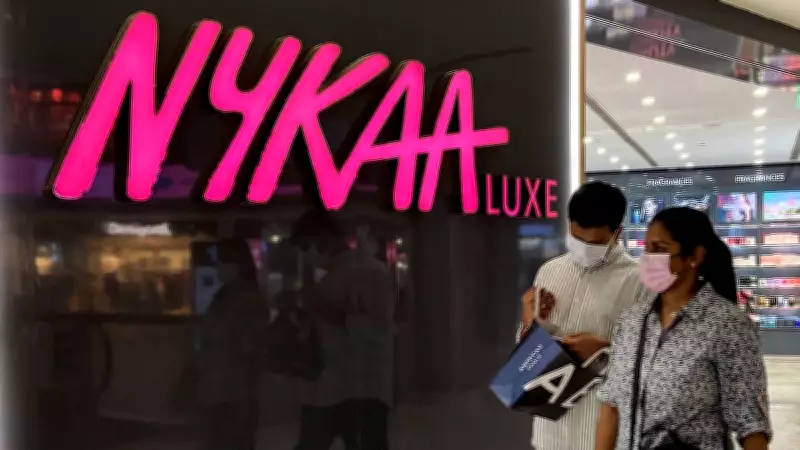
Zee Entertainment Enterprises has initiated legal proceedings against Nykaa, the prominent online beauty and fashion retailer, accusing the company of unauthorized use of its copyrighted musical works in Instagram Reels. The lawsuit, filed in the Bombay High Court, alleges that Nykaa utilized Zee's songs without obtaining the necessary licenses or permissions, thereby infringing upon Zee's exclusive rights.
Details of the Allegations
According to the legal complaint, Nykaa created and published multiple Instagram Reels featuring popular tracks owned by Zee Entertainment. These Reels were used as part of Nykaa's marketing campaigns to promote products and engage with its audience. Zee contends that such use constitutes a clear violation of copyright law, as the songs were employed for commercial purposes without authorization.
Legal Basis and Claims
The lawsuit is grounded in the Copyright Act, 1957, which grants copyright holders the exclusive right to reproduce, distribute, and publicly perform their works. Zee asserts that Nykaa's actions have caused financial harm and seeks damages, along with an injunction to prevent further misuse. The company is also demanding that Nykaa remove all infringing content from its Instagram account.

Nykaa's Response
As of now, Nykaa has not issued a formal statement regarding the lawsuit. However, sources close to the company suggest that they are reviewing the allegations and intend to defend themselves vigorously. The case is expected to hinge on whether the use of the songs falls under fair use or if it indeed constitutes copyright infringement.
Broader Implications
This legal battle highlights the growing tension between content creators and brands over the use of copyrighted material on social media platforms. With the rise of short-form video content, especially on platforms like Instagram and TikTok, the boundaries of fair use are being tested. This case could set a precedent for how copyrighted music is used in promotional content.
Zee's legal action underscores the importance of obtaining proper licenses for any copyrighted material used in marketing campaigns. Companies are advised to secure permissions from copyright holders to avoid costly litigation. The outcome of this case will be closely watched by the entertainment and advertising industries alike.