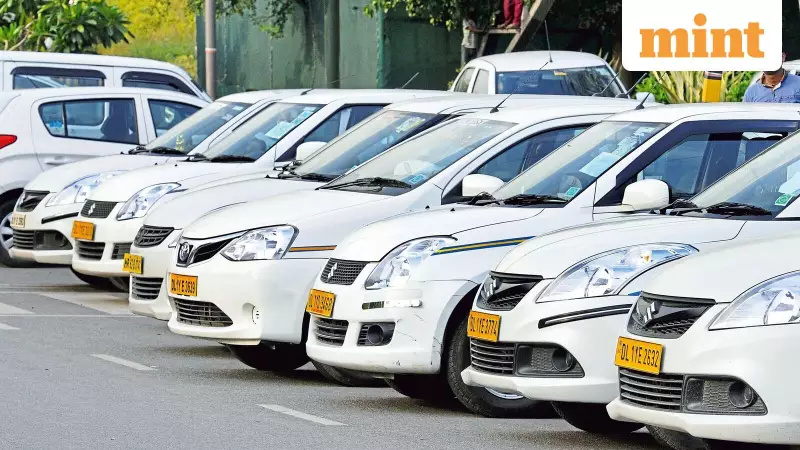
Uber India Diversifies Fleet Strategy with $7 Million Investment in Carrum
Uber India is making a strategic shift in its fleet management approach. For years, the company relied heavily on Everest Fleet as its primary partner for supplying professional vehicles. Now, Uber has invested $7 million in Carrum, a fleet startup backed by the CarDekho Group. This move marks a significant change from Uber's previous single-partner model.
Why Uber is Expanding Its Fleet Partnerships
Uber India faced growing challenges with fleet supply lagging behind surging ride demand. Praxis Global Alliance estimates show ride demand grew roughly 25% in 2025 across large metros. Shortages emerged in key cities like Delhi NCR, Bengaluru, Hyderabad, and Mumbai.
Ram Soni, partner at Praxis Global Alliance, explains the situation clearly. "As Everest emerged as Uber's dominant organised fleet partner, concentration risk increased," he said. "Diversifying fleet partners allows Uber to scale supply faster and maintain service levels."

Commuters have reported longer wait times, especially at airports and IT hubs during peak hours. This investment directly addresses those service gaps.
What Carrum Brings to Uber's Platform
Carrum operates about 3,000 CNG and electric vehicles with a different focus than Everest Fleet. While Everest concentrates on mass-market EV deployment, Carrum emphasizes CNG-first operations and premium categories.
The startup has carved out a niche by deploying SUVs for Uber Black services in Delhi-NCR and Mumbai. This targets higher-margin rides and fills a void in the premium segment. Carrum's approach complements rather than competes with Everest's mass-market focus in the near term.
Hedging EV Strategy with CNG Vehicles
Electric vehicles remain central to Uber's long-term decarbonization plans globally. However, the company has softened its aggressive EV stance in the US market. In India, the Carrum investment serves as a hedge against persistent EV charging gaps and policy uncertainty.
Carrum's CNG-heavy model offers immediate operational stability. Uber has already deployed more than 250 SUVs from Carrum's fleet. CNG fleets deliver higher uptime and more predictable economics according to industry experts.
"CNG reduces exposure to fluctuations in subsidies such as FAME and state-level EV incentives," notes Soni. This helps ensure fleet uptime during India's uneven green transition.
Impact on Drivers and Fleet Operators
Everest Fleet currently supplies roughly 25,000-30,000 vehicles to Uber India. This represents a significant share of the platform's organised fleet within an estimated 1.2-1.5 million active drivers. Uber also works with other operators including Lithium Urban, Moove, and Camion Logistics.
Ride-hailing companies face multiple challenges including high fleet costs, vehicle churn, and driver retention issues. Praxis Global Alliance estimates weekly churn around 3% in the industry.
"A multi-partner ecosystem subtly shifts bargaining power back to Uber on pricing, service levels, and expansion priorities," said Soni. "This approach keeps fleet partners economically viable while giving Uber more flexibility."
For fleet operators working on thin 8-10% Ebitda margins, small changes in utilization or commission terms can significantly impact profitability. Increased competition may pressure margins but could also drive higher efficiency across the sector.
Drivers experience mixed outcomes from this diversification. They benefit from better vehicle availability and steadier working hours. However, they also face tighter performance benchmarks as competition increases among fleet providers.
Uber's Previous Investments and Future Outlook
Uber's investment in Carrum follows substantial funding in Everest Fleet. The company backed Everest with a $20 million funding round in June 2023, followed by approximately $30 million in 2024 and another $20 million in 2025.
This new partnership represents Uber's second major startup bet in India's mobility sector. The move signals Uber's commitment to expanding its Indian operations while managing risks associated with electric vehicle adoption and fleet management challenges.

The diversification strategy addresses immediate operational needs while positioning Uber for sustainable growth in one of its key international markets. As India's ride-hailing market continues to evolve, such strategic partnerships will likely play a crucial role in shaping the industry's future landscape.