Shatak Teaser Unveils the Untold Story of a Century-Long Journey of the RSS
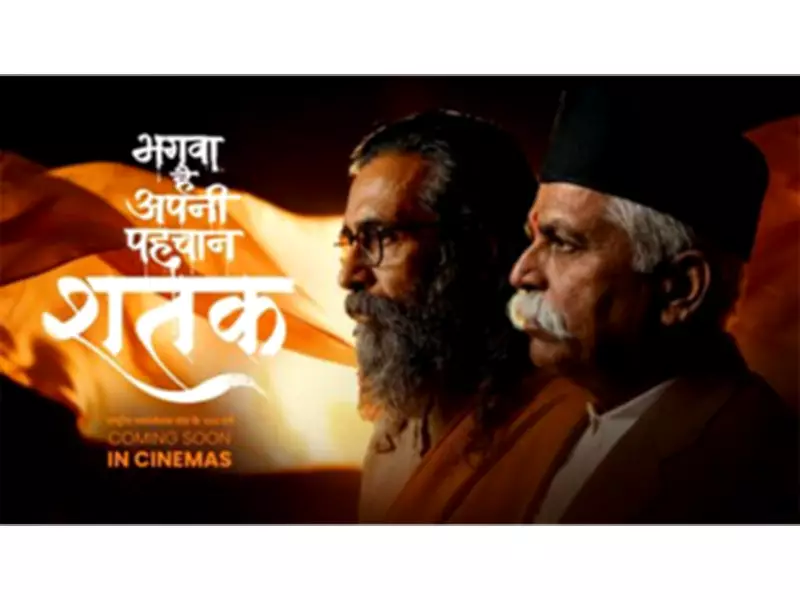
The much-anticipated teaser for the documentary 'Shatak' has been officially released, offering a profound glimpse into the untold and intricate narrative of the Rashtriya Swayamsevak Sangh (RSS) over its remarkable century-long journey. This cinematic revelation delves deep into the historical evolution, foundational principles, and enduring societal impact of one of India's most influential organizations, promising to shed light on previously undisclosed aspects of its storied past.
Exploring the Historical Depth and Evolution
The teaser meticulously traces the origins of the RSS, founded in 1925 by Keshav Baliram Hedgewar, and follows its transformative path through pivotal moments in Indian history. From its early days as a grassroots movement focused on cultural and national rejuvenation to its expansion into a vast network of volunteers, the documentary highlights key milestones, leadership transitions, and ideological developments that have shaped the organization over the decades. It emphasizes the RSS's role in fostering discipline, patriotism, and social service, while also addressing controversies and challenges it has faced, providing a balanced and comprehensive perspective.
Cinematic Presentation and Production Insights
Produced with high-quality cinematography and archival research, the Shatak teaser features rare footage, interviews with historians, former members, and experts, along with evocative narration that brings the RSS's journey to life. The documentary aims to present an authentic and nuanced portrayal, avoiding sensationalism and instead focusing on factual accuracy and historical context. This approach ensures that viewers gain a deeper understanding of the organization's contributions to Indian society, its influence on political and social movements, and its vision for the future.

Societal Impact and Contemporary Relevance
Beyond historical recounting, the teaser underscores the RSS's ongoing relevance in modern India, exploring its initiatives in education, healthcare, disaster relief, and community development. It examines how the organization has adapted to changing times while maintaining its core values, and discusses its impact on national discourse and policy-making. By unveiling this untold story, Shatak seeks to foster informed dialogue and reflection on the RSS's legacy, making it a significant cultural and educational resource for audiences interested in India's socio-political landscape.