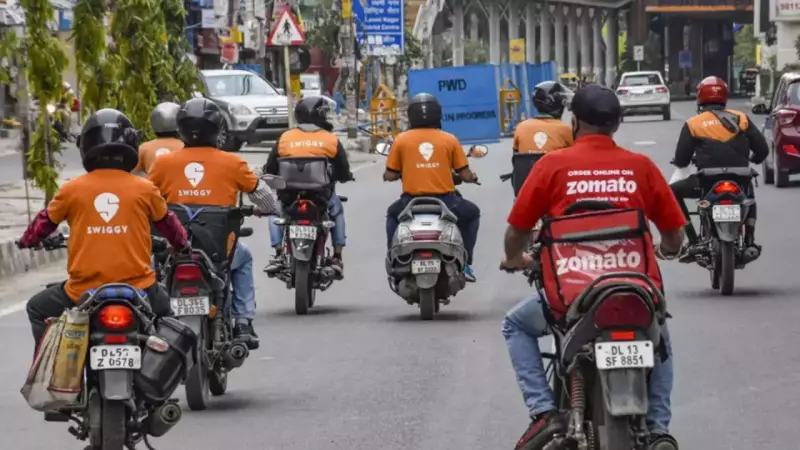
Major quick commerce platforms in India have agreed to stop advertising their 10-minute delivery services. This decision came after direct intervention from Union Minister Mansukh Mandaviya.
Government Intervention Leads to Policy Change
On Tuesday, Union Minister Mansukh Mandaviya held crucial discussions with top executives from leading quick commerce companies. The meeting included representatives from Blinkit, Zepto, Swiggy, and Zomato.
During these talks, Mandaviya strongly advised the companies to relax their strict delivery time limits. He emphasized that worker safety should take priority over delivery speed promises.

Companies Commit to Changes
The companies responded positively to the minister's concerns. They assured the government they would remove all delivery-time commitments from their advertising materials.
This includes removing 10-minute delivery promises from brand advertisements across platforms. The change will also apply to their social media channels and other marketing communications.
Worker Safety Concerns Take Center Stage
The government's intervention comes amid growing concerns about delivery worker safety. Industry observers have noted that aggressive delivery timelines might pressure workers to take unnecessary risks on roads.
Mandaviya's office highlighted that ensuring safe working conditions for delivery partners remains a key priority. The minister stressed that no business model should compromise worker welfare.
Nationwide Strike Preceded Decision
This development follows a nationwide strike organized by gig workers unions. Delivery workers across multiple platforms participated in the protest action.
The strike was coordinated under the banner of the Indian Federation of App-Based Transport Workers (IFAT). This organization represents delivery workers and drivers associated with major platforms including Swiggy, Zomato, Zepto, and Amazon.
Workers demanded the removal of 10-minute delivery options during the strike. They also called for the restoration of earlier payout structures that they considered more favorable.
Industry Response and Future Implications
The quick commerce industry has grown rapidly in recent years. Companies have competed aggressively on delivery speed to attract customers.
Industry experts suggest this move might signal a shift in priorities. Companies may now focus more on sustainable operations rather than speed-based competition.
Some market observers believe this could lead to more balanced growth in the sector. They anticipate companies will develop safer working conditions while maintaining service quality.
The development marks a significant moment for India's gig economy. It demonstrates how worker concerns can influence corporate policies through government intervention.
This story continues to develop as companies implement these changes across their operations.