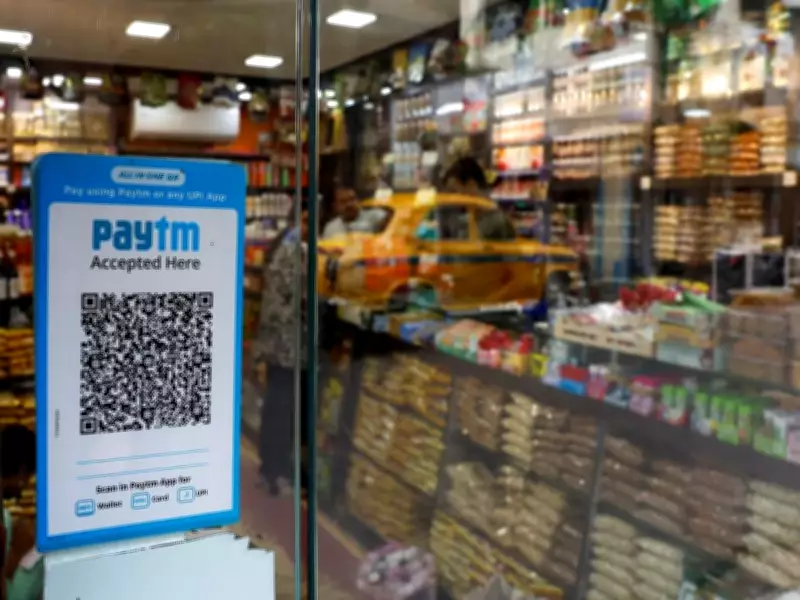
Global mobile money transactions have doubled to $2 trillion over the past four years, driven by a surge in digital payments worldwide, according to a new report. The growth highlights the increasing adoption of mobile financial services, particularly in developing regions where traditional banking infrastructure is limited.
Key Drivers of Growth
The report attributes the rapid expansion to several factors, including the proliferation of smartphones, improved internet connectivity, and the rise of fintech companies offering innovative payment solutions. Additionally, the COVID-19 pandemic accelerated the shift toward contactless and digital transactions, as consumers sought safer alternatives to cash.
Regional Highlights
Sub-Saharan Africa remains the largest mobile money market, accounting for a significant share of global transactions. However, Asia and Latin America have also witnessed substantial growth, fueled by government initiatives and partnerships between telecom operators and financial institutions.

- Sub-Saharan Africa: Leading in mobile money adoption, with services like M-Pesa driving financial inclusion.
- Asia: Rapid growth in countries like India, where the Unified Payments Interface (UPI) has revolutionized digital payments.
- Latin America: Emerging markets seeing increased usage of mobile wallets for remittances and everyday purchases.
Impact on Financial Inclusion
The rise of mobile money has significantly improved financial inclusion, enabling millions of unbanked individuals to access basic financial services such as savings, loans, and insurance. According to the report, mobile money accounts have grown by 20% annually, with over 1.2 billion registered accounts globally.
Challenges and Opportunities
Despite the progress, challenges remain, including regulatory hurdles, cybersecurity risks, and the need for interoperable systems. However, the report emphasizes that mobile money has the potential to further drive economic growth and reduce poverty, particularly in rural and underserved areas.
The findings underscore the transformative power of digital payments in reshaping the global financial landscape. As technology continues to evolve, mobile money is expected to play an even more critical role in the future of commerce and banking.