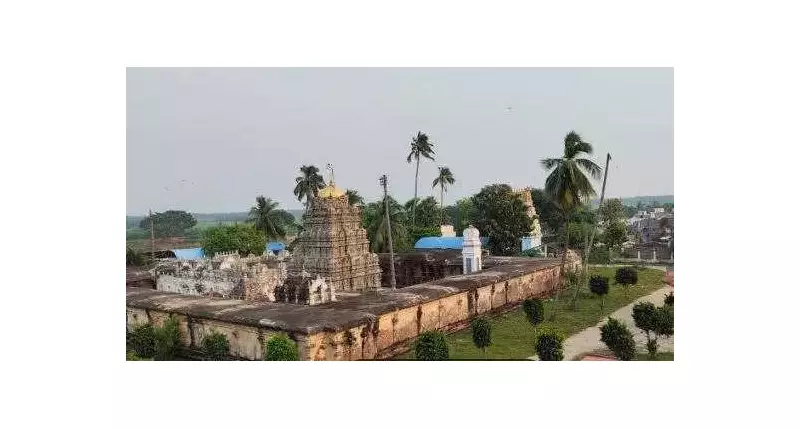
In a significant corporate social responsibility initiative, leading Indian airline IndiGo has pledged a substantial sum of Rs 10 crore for the beautification and development of the historic Kurmanatha Swamy Temple and its surrounding areas in Srikakulam district. This commendable effort has been spearheaded by Union Minister of Civil Aviation, Kinjarapu Rammohan Naidu, who played a pivotal role in facilitating this collaboration between the corporate sector and cultural heritage preservation.
Phased Funding and Initial Disbursement
The airline has already released the first instalment of Rs 3 crore, demonstrating its commitment to the project's timely execution. The remaining funds, amounting to Rs 7 crore, will be disbursed in a phased manner as the development works progress. This structured approach ensures systematic implementation while maintaining financial accountability throughout the temple renovation process.
Comprehensive Development Plan
Srikakulam MLA Gondu Shankar, accompanied by IndiGo representatives and architectural consultants, conducted a thorough inspection of the temple premises recently. Following this assessment, a comprehensive master plan has been formulated to address both immediate needs and future requirements. The development strategy encompasses multiple aspects of temple infrastructure and visitor facilities.

The key focus areas include:
- Revitalization of the Pushkarini (temple pond) to restore its spiritual significance
- Development of essential infrastructure to accommodate increasing numbers of devotees
- Creation of improved facilities for pilgrims and visitors
- Removal of encroachments along the banks of Shweta Pushkarini
- Construction of a grand main entrance that reflects the temple's architectural magnificence
Long-Term Vision and Planning
The master plan has been designed with a forward-looking perspective, anticipating the needs of the next three decades. This visionary approach considers the expected growth in devotee numbers and aims to create sustainable infrastructure that will serve future generations. The development works specifically aim to cultivate a serene spiritual atmosphere around the temple complex, enhancing the overall devotional experience for visitors.
Stakeholder Collaboration and Review
MLA Gondu Shankar convened a special review meeting with engineers and architects from the Water Resources Department to discuss the technical specifications, quality standards, and design elements of the proposed works. This collaborative session ensured that all development aspects align with both aesthetic considerations and practical requirements.
The program witnessed participation from various stakeholders including:
- Mandal Tahsildar and local secretariat staff
- Officials from the Water Resources Department
- Temple trustees and management committee members
- Village elders representing the local community
- Alliance leaders and political representatives
This multi-stakeholder approach ensures that the temple development project incorporates diverse perspectives while maintaining cultural authenticity and community relevance. The initiative represents a successful model of public-private partnership in heritage conservation, setting a precedent for similar collaborations across India's rich cultural landscape.