India's Gig Economy Faces a Labor Law Crisis
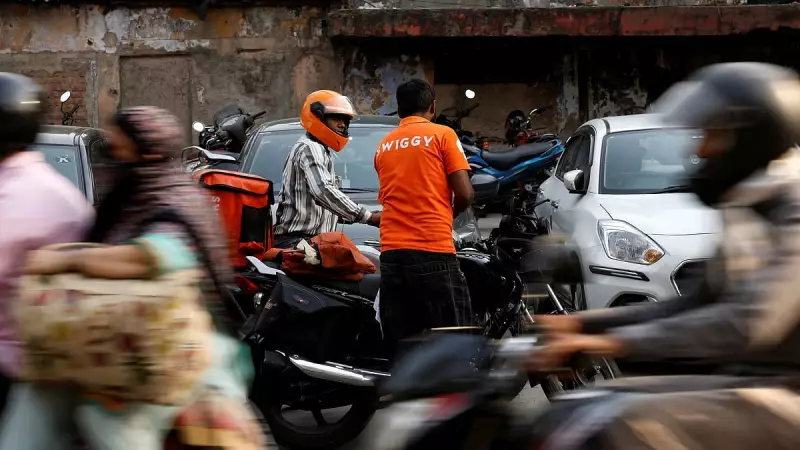
Gig workers across India are struggling with income insecurity and unstable wages. Current labor laws fail to protect them effectively. These workers often find themselves treated as peripheral intermediaries rather than protected labor.
The Core Problem with Existing Regulations
India's traditional labor laws were designed for a different era. They do not account for the flexible nature of gig work. This leaves millions of workers without basic protections.
Many gig workers operate in sectors like delivery and ride-hailing. They lack access to benefits like health insurance or paid leave. Their income can fluctuate wildly from week to week.

Economic Factors Driving This Failure
The economics behind this issue are clear. Companies classify gig workers as independent contractors to reduce costs. This allows firms to avoid providing social security and other mandatory benefits.
Workers bear all the risks while platforms maximize profits. This imbalance creates a precarious situation for individuals relying on gig work for their livelihood.
Policy interventions are urgently needed to address this gap.What Needs to Change
Experts argue for new frameworks that recognize gig workers' unique status. Possible solutions include:
- Creating a separate category for platform workers within labor laws
- Establishing minimum wage guarantees for gig work
- Implementing social security schemes tailored to flexible employment
- Developing dispute resolution mechanisms accessible to workers
Karnataka has been at the forefront of discussions about gig worker rights. Recent developments in the state highlight the growing recognition of this issue.
The conversation must move beyond theoretical debates to concrete action. Without proper safeguards, India's growing gig economy risks exploiting its most vulnerable participants.