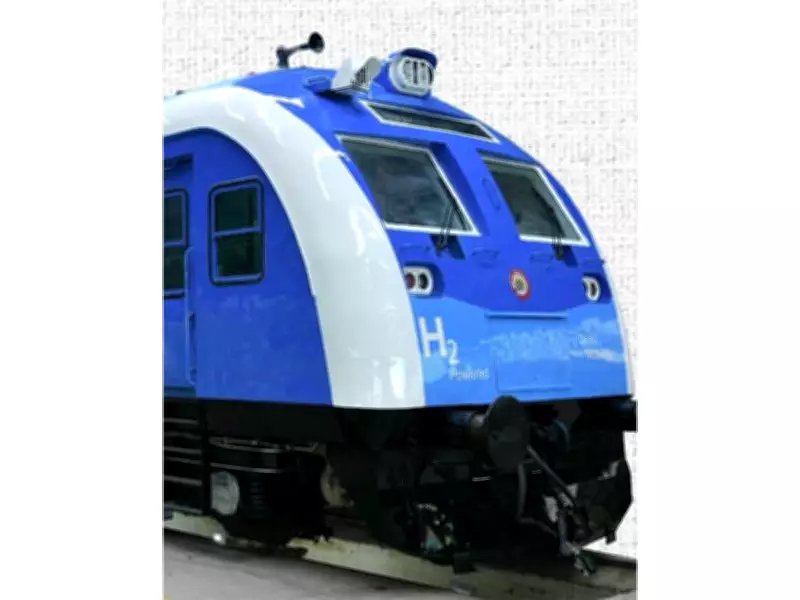
In a significant milestone for sustainable transportation, Indian Railways has approved the operation of its first indigenous hydrogen train on the Jind-Sonipat route. This initiative aligns with the national goal of achieving net-zero carbon emissions by 2070 and showcases India's commitment to green mobility.
Key Features of the Hydrogen Train
The hydrogen train, developed entirely with indigenous technology, will run on the 90-kilometer stretch between Jind and Sonipat in Haryana. It is designed to replace diesel-powered locomotives, thereby reducing dependence on fossil fuels and cutting down greenhouse gas emissions. The train uses hydrogen fuel cells to generate electricity, with water vapor as the only byproduct.
Technical Specifications
- Fuel: Hydrogen fuel cells with a range of approximately 1,000 kilometers on a single refueling.
- Speed: Capable of reaching a maximum speed of 140 km/h.
- Capacity: Designed to carry up to 2,000 passengers across multiple coaches.
- Emissions: Zero carbon emissions, contributing to cleaner air and reduced noise pollution.
Strategic Importance
The approval marks a pivotal step in Indian Railways' broader plan to introduce 35 hydrogen trains by 2025, with an investment of over Rs 1,000 crore. This initiative is part of the "Hydrogen for Heritage" program, which aims to convert heritage and hill routes to hydrogen-based traction. The Jind-Sonipat route was chosen due to its moderate traffic and existing infrastructure suitability for pilot testing.

Economic and Environmental Benefits
The shift to hydrogen trains is expected to save approximately 2.5 lakh liters of diesel annually per train, translating to a reduction of 680 tons of CO2 emissions. Additionally, the project will boost local manufacturing and create jobs in the green energy sector. Indian Railways is collaborating with research institutions and private players to ensure cost-effective production of green hydrogen.
Future Prospects
Following the successful trial on the Jind-Sonipat route, Indian Railways plans to expand hydrogen train operations to other non-electrified routes, including the Kalka-Shimla heritage line. The long-term vision includes making Indian Railways a global leader in hydrogen-powered rail transport, with potential export opportunities for indigenous technology.
This development underscores India's proactive approach to adopting clean energy solutions and its commitment to the Paris Agreement goals. The hydrogen train project is a testament to the nation's engineering capabilities and its resolve to build a sustainable future.