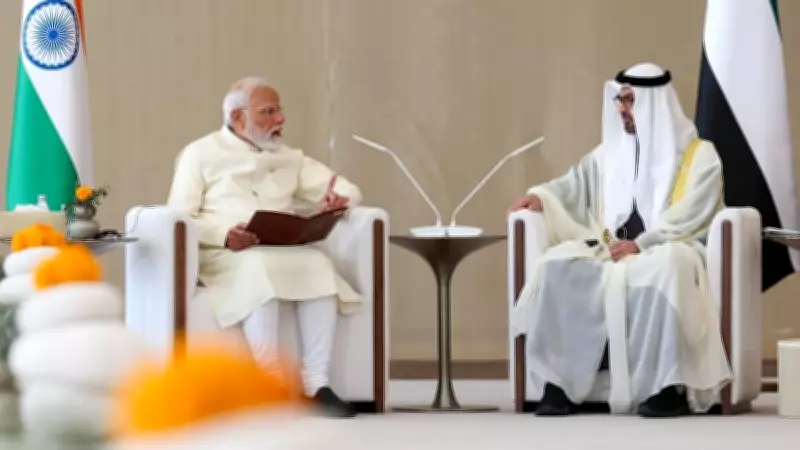
India and the United Arab Emirates (UAE) on Thursday signed several key memoranda of understanding (MOUs) aimed at bolstering cooperation in the energy and defence sectors. The agreements were exchanged following a meeting between Indian Prime Minister Narendra Modi and UAE President Sheikh Mohamed bin Zayed Al Nahyan in New Delhi.
Energy Sector Collaboration
One of the major outcomes is the enhanced role of the Abu Dhabi National Oil Company (ADNOC) in maintaining India's strategic petroleum reserves. ADNOC will now store crude oil at India's underground storage facilities in Mangaluru and Padur, ensuring energy security for the South Asian nation. This move is expected to reduce India's vulnerability to global oil price fluctuations and supply disruptions.
Additionally, the two countries agreed to expand cooperation in renewable energy, including green hydrogen and solar power. They also signed an agreement on energy efficiency and conservation, aiming to reduce carbon emissions and promote sustainable development.

Defence and Security Ties
In the defence domain, the MOUs cover joint military exercises, training, and information sharing. The Indian Navy and the UAE Navy will conduct more frequent bilateral exercises, enhancing maritime security in the Indian Ocean Region. The agreements also include cooperation in cybersecurity and counter-terrorism, reflecting the growing strategic convergence between the two nations.
Both leaders expressed satisfaction with the upward trajectory of bilateral relations. PM Modi stated that the UAE is a vital partner in India's quest for energy security and regional stability. Sheikh Mohamed bin Zayed reaffirmed the UAE's commitment to deepening ties with India, highlighting the importance of the Comprehensive Economic Partnership Agreement (CEPA) signed earlier.
Broader Implications
The latest agreements are expected to boost trade and investment flows. The UAE is India's third-largest trading partner and a major source of foreign direct investment. The energy pact alone could lead to significant cost savings for India, which imports over 80% of its crude oil needs. Analysts view the strengthened partnership as a counterbalance to regional geopolitical shifts.
Both sides also discussed the situation in Afghanistan and the need for a peaceful and stable region. The leaders reiterated their support for an inclusive and representative government in Kabul.
The signing ceremony was attended by senior officials from both countries, including India's External Affairs Minister S. Jaishankar and UAE's Minister of State for Foreign Affairs Khalifa Shaheen Al Marar.