

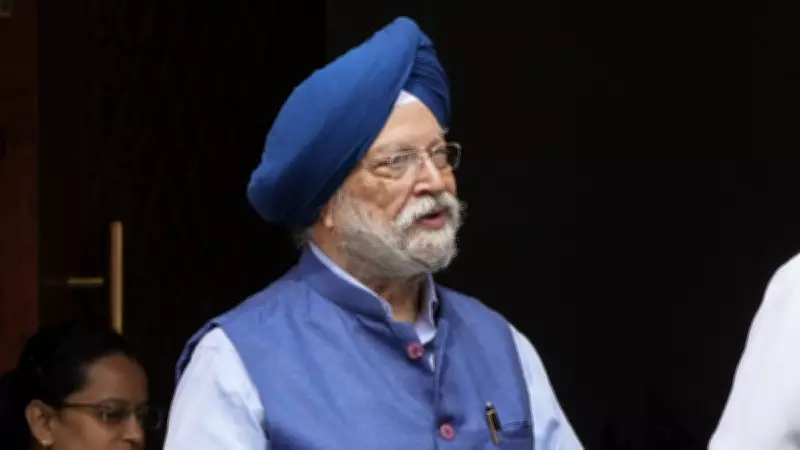
India Confirms Robust Crude Oil and Fuel Availability, Minister Reassures Nation
In a significant announcement aimed at alleviating public concerns, Petroleum and Natural Gas Minister Hardeep Singh Puri has emphatically stated that India currently possesses sufficient crude oil reserves and is experiencing no shortage of fuel across the country. This declaration comes amidst ongoing global market volatility and geopolitical tensions that have historically impacted energy supplies worldwide.
Minister's Statement on National Energy Security
Addressing the media on March 12, 2026, Minister Puri highlighted the government's proactive measures to ensure uninterrupted fuel availability for all sectors, including transportation, industry, and households. He underscored that India's strategic petroleum reserves are well-stocked, and the nation's refining capacity is operating at optimal levels to meet domestic demand without disruption.
"We have taken all necessary steps to safeguard our energy security," Puri remarked, adding that the government is closely monitoring international crude oil prices and supply chains to preempt any potential challenges. This reassurance is particularly timely, given recent fluctuations in global oil markets that have sparked fears of supply constraints in other regions.

Factors Contributing to India's Stable Fuel Supply
Several key initiatives have bolstered India's resilience in the face of global energy uncertainties:
- Diversified Import Sources: India has strategically expanded its crude oil imports from a variety of countries, reducing dependency on any single region and mitigating risks associated with geopolitical conflicts or production cuts.
- Enhanced Domestic Production: Efforts to boost domestic oil and gas exploration under policies like the Hydrocarbon Exploration and Licensing Policy (HELP) have contributed to a more self-reliant energy ecosystem.
- Efficient Distribution Networks: The petroleum ministry has streamlined fuel distribution through robust logistics and storage infrastructure, ensuring timely delivery to petrol pumps and consumers even in remote areas.
- Strategic Reserves Management: India maintains substantial strategic petroleum reserves at locations such as Visakhapatnam, Mangalore, and Padur, which act as a buffer during supply disruptions.
Implications for the Economy and Consumers
The assurance of no fuel shortage is expected to have a positive ripple effect across the Indian economy. Stable fuel prices and availability are crucial for controlling inflation, supporting agricultural activities, and sustaining industrial growth. Consumers can breathe a sigh of relief, as fears of long queues at petrol stations or rationing have been dispelled by the minister's clear communication.
Furthermore, this stability aligns with India's broader energy transition goals, providing a reliable foundation as the country gradually integrates more renewable sources into its energy mix. Puri emphasized that while focusing on traditional fuels, the government remains committed to promoting cleaner alternatives like ethanol blending and electric mobility to ensure long-term sustainability.
Global Context and Future Outlook
Globally, many nations are grappling with energy supply challenges due to factors such as OPEC+ production adjustments, trade sanctions, and climate-related policies. In contrast, India's proactive stance, as outlined by Minister Puri, positions it as a relatively secure player in the international energy landscape. The government plans to continue its vigilant approach, leveraging diplomatic ties and market intelligence to navigate future uncertainties.
In conclusion, Hardeep Singh Puri's reassurance serves as a testament to India's strengthened energy governance and preparedness. With sufficient crude oil and no imminent fuel shortages, the country is well-equipped to support its economic ambitions and ensure energy access for all citizens, reinforcing confidence in the nation's resilience amid global headwinds.






