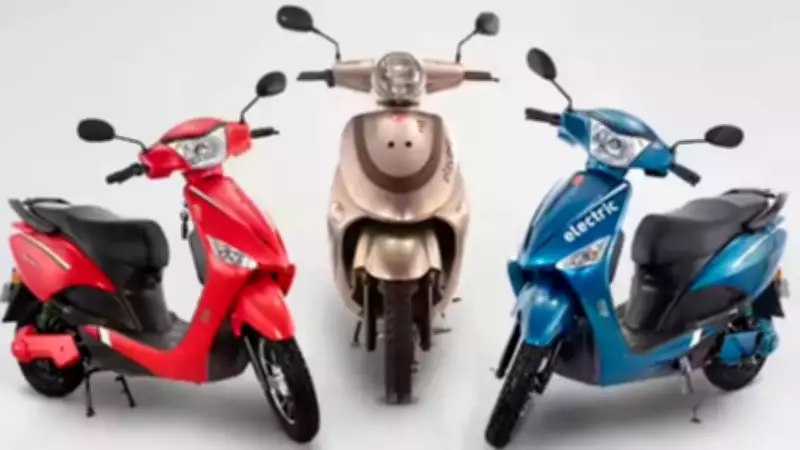
NCLT Orders Liquidation of Hero Electric After Failed Insolvency Resolution
The National Company Law Tribunal (NCLT) has issued a liquidation order for Hero Electric Vehicles Pvt. Ltd., marking a significant development in the company's insolvency saga. This decision comes after exhaustive efforts to revive the electric vehicle manufacturer through the Corporate Insolvency Resolution Process (CIRP) ultimately failed to yield an approved plan.
Timeline of the Insolvency Proceedings
The insolvency proceedings against Hero Electric were initiated following a petition filed by Metro Tyres Limited under the Insolvency and Bankruptcy Code (IBC). The NCLT's New Delhi Bench formally admitted the case and commenced the CIRP on December 20, 2024. The tribunal's final liquidation order was passed on March 3, 2026.
After the process began, the appointed resolution professional invited claims from creditors and established a Committee of Creditors (CoC) to oversee the resolution efforts. This committee comprised several prominent financial institutions, including:

- Bank of Baroda
- South Indian Bank
- IDFC First Bank
- Kotak Mahindra Bank
Failed Resolution Attempts
During the insolvency process, the Committee of Creditors held multiple meetings to evaluate proposals from companies interested in acquiring the business. The resolution professional invited expressions of interest from potential investors, and several parties initially demonstrated interest in taking over Hero Electric.
Eventually, two formal resolution plans were submitted for the committee's consideration. However, when these proposals were put to a vote, neither managed to secure the minimum approval required under the IBC framework. According to the law, a resolution plan must receive approval from at least 66 percent of the voting share from creditors.
The proposal that garnered the highest support only managed to secure 47.66 percent of the votes, falling significantly short of the required threshold. This voting outcome revealed a deep division among the creditors regarding the company's future.
Creditor Deadlock and Tribunal Decision
The tribunal noted that creditors remained fundamentally divided over the appropriate course of action. While nearly half of the creditors supported a resolution plan, the remaining members favored liquidation. Even after further discussions and reconsideration, the committee could not reach a consensus.
Given this deadlock and the expiration of the insolvency resolution timeline, the tribunal concluded that continuing the process would not serve any purpose under the IBC framework. Under Section 33(1)(a) of the Insolvency and Bankruptcy Code, liquidation can be ordered if no resolution plan is approved before the insolvency process period ends.
The tribunal emphasized that no resolution proposal received the required support from creditors within the timeline set under the IBC, thereby triggering the provisions related to liquidation under the code. This decision underscores the challenges in reviving distressed companies when creditors cannot align on a recovery strategy.