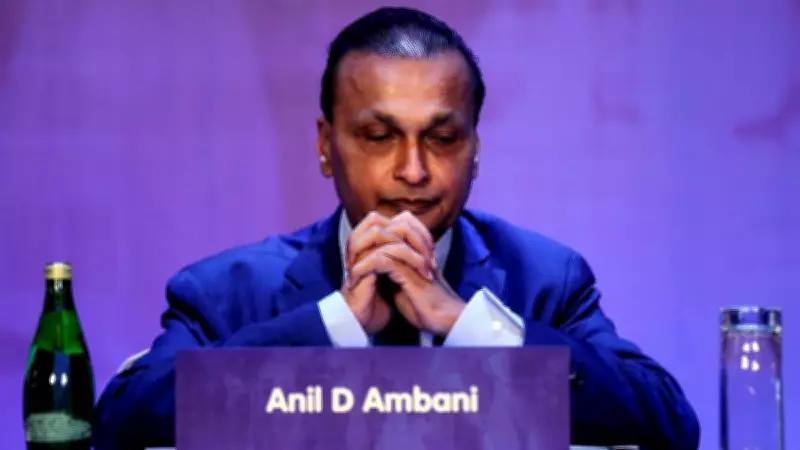
ED Intensifies Probe with Major Asset Attachment in Reliance Group Case
The Enforcement Directorate (ED) has escalated its investigation into Anil Ambani's Reliance Group by attaching fresh assets valued at approximately Rs 581 crore. This significant move targets land parcels spread across multiple states in India, marking a critical development in the ongoing legal proceedings.
Details of the Asset Attachment Order
According to an official statement released by the ED, an order was issued on March 11, 2026, to attach these properties. The attached assets include land parcels located in 13 different states, demonstrating the widespread nature of the investigation. The states involved are:
- Goa
- Kerala
- Karnataka
- Punjab
- Tamil Nadu
- Uttar Pradesh
- Haryana
- Jharkhand
- Maharashtra
- Delhi
- West Bengal
- Andhra Pradesh
- Rajasthan
This action is part of a broader case where the ED is probing alleged financial irregularities and money laundering activities linked to the Reliance Group under Anil Ambani's leadership.

Context and Implications of the ED's Move
The attachment of Rs 581 crore in assets underscores the ED's aggressive stance in combating economic offenses. By targeting high-value properties across diverse regions, the agency aims to secure evidence and prevent the dissipation of assets that could be linked to illicit activities. This step is expected to have substantial repercussions for the Reliance Group, potentially affecting its financial stability and public image.
Legal and Financial Ramifications
Such asset attachments are typically provisional measures under the Prevention of Money Laundering Act (PMLA), allowing authorities to freeze properties suspected to be proceeds of crime. The ED's statement highlights that this order is based on ongoing investigations, which may lead to further legal actions, including potential charges and court proceedings. The Reliance Group has not issued an immediate response, but industry analysts anticipate that this could trigger significant legal battles and impact investor confidence.
Broader Impact on Corporate Governance
This case is being closely watched as it reflects the increasing scrutiny of corporate entities by Indian enforcement agencies. It serves as a reminder of the importance of compliance with financial regulations and the potential consequences of alleged misconduct. The ED's actions could set a precedent for similar cases involving other major business groups in the future.
Conclusion
The Enforcement Directorate's attachment of Rs 581 crore in assets in the Anil Ambani Reliance Group case represents a pivotal moment in the investigation. With properties seized across 13 states, this development emphasizes the scale of the probe and its potential to reshape the corporate landscape. As the situation unfolds, stakeholders will be monitoring for further updates and legal outcomes that could influence both the Reliance Group and broader economic policies in India.