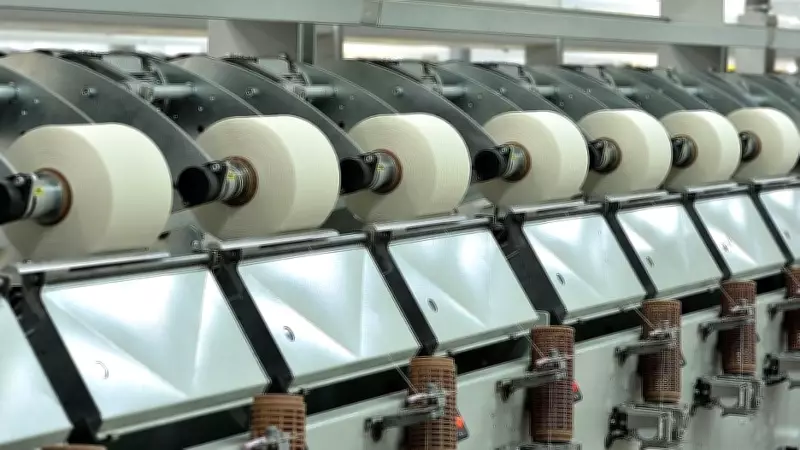
In a significant move to revitalize India's textile industry, Finance Minister Nirmala Sitharaman unveiled a comprehensive boost for the sector in the Union Budget 2026. The announcement focuses on achieving self-reliance across various fibre categories through an integrated programme designed to enhance global competitiveness and sustainability.
Five-Pronged Strategy for Textile Transformation
The integrated textile programme, as detailed by the Finance Minister, will be structured around five key sub-parts. This multi-faceted approach aims to address different aspects of the textile value chain, from raw material production to finished apparel manufacturing.
Focus on Natural Fibre Self-Sufficiency
One of the core components of the initiative targets achieving self-reliance in natural fibres including silk, wool, and jute. This strategic focus recognizes the importance of traditional Indian textiles while ensuring domestic availability reduces import dependency.

Advancing Man-Made and New-Age Fibres
Beyond natural fibres, the programme equally emphasizes developing India's capabilities in man-made fibres and new-age fibres. This forward-looking component acknowledges the growing global demand for synthetic and technical textiles while positioning India as a competitive player in these emerging segments.
Building Globally Competitive Textiles
The budget initiative specifically includes measures to promote globally competitive and sustainable textiles and apparels. This indicates a dual focus on enhancing export potential while ensuring environmental responsibility throughout the production process.
The textile sector boost comes at a crucial time when India seeks to strengthen its manufacturing base and create employment opportunities across rural and urban areas. The comprehensive nature of the five-part programme suggests a holistic approach rather than piecemeal interventions.
Industry experts anticipate that this budget allocation could significantly impact India's position in the global textile market while supporting the government's broader vision of economic self-reliance. The emphasis on sustainability aligns with international trends toward eco-friendly production practices.
As implementation details emerge, stakeholders across the textile value chain will be watching closely to understand how these initiatives translate into practical support for farmers, manufacturers, and exporters alike.