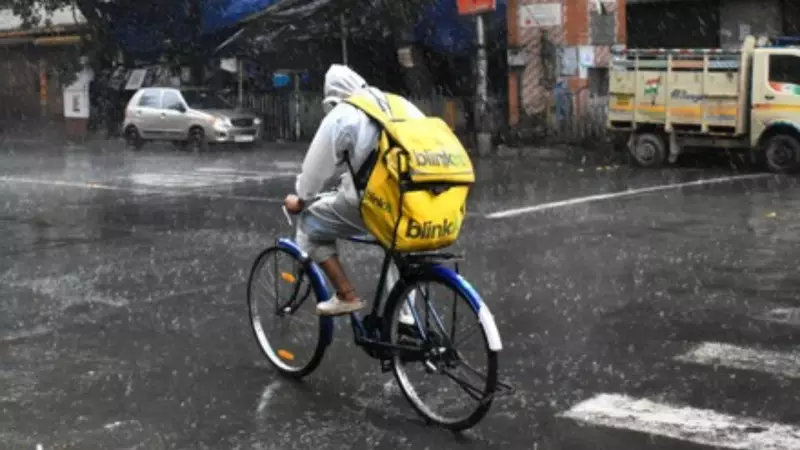
Blinkit Abandons 10-Minute Delivery Promise
Blinkit, the quick commerce platform owned by Eternal Group, has officially removed its "10-minute delivery" claim from all its platforms. This significant change comes after mounting pressure regarding the welfare of delivery workers. The company has updated its tagline from "10,000+ products delivered in 10 minutes" to a new promise of "30,000+ products delivered at your doorstep."
Government Intervention Spurs Change
The Union Ministry of Labour recently held discussions with major quick commerce companies. These talks focused on ensuring greater safety, security, and improved working conditions for gig workers. The ministry expressed serious concerns about delivery personnel trying to meet extremely tight deadlines, which often compromised their well-being.
Other prominent players in the quick commerce sector, including Swiggy and Zepto, are now expected to follow Blinkit's lead. This industry-wide shift appears directly linked to the government's proactive stance on protecting gig economy workers.

Worker Protests Highlight Safety Concerns
The promise of 10-minute delivery had previously sparked significant labor unrest. On New Year's Eve in 2025, gig workers organized a nationwide strike to protest against demanding delivery timelines. This collective action successfully drew public attention to critical issues affecting delivery personnel:
- Health risks from constant rushing and stress
- Safety concerns on roads while trying to meet deadlines
- Income instability tied to unrealistic delivery promises
Industry Response and Current Status
While Blinkit has completely removed its 10-minute delivery branding, some competitors still display similar promises on app stores. As of now, Zepto, Instamart, and BigBasket continue to show 10-minute delivery claims on both Google Play Store and iOS App Store platforms.
Deepinder Goyal, CEO of Eternal Group which owns Blinkit, recently addressed these concerns on social media platform X. He argued that the 10-minute delivery promise does not actually pressure riders or encourage unsafe driving practices. According to Goyal, delivery partners do not see any countdown timer in their apps, and faster deliveries result primarily from strategic store locations rather than increased road speeds.
However, despite these claims, the labor ministry's intervention has prompted tangible changes in how quick commerce companies market their services. This development marks a turning point for India's rapidly growing delivery sector, potentially leading to more sustainable working conditions for thousands of gig workers across the country.