Automakers Retreat from Super Bowl Advertising Amid Industry Uncertainty
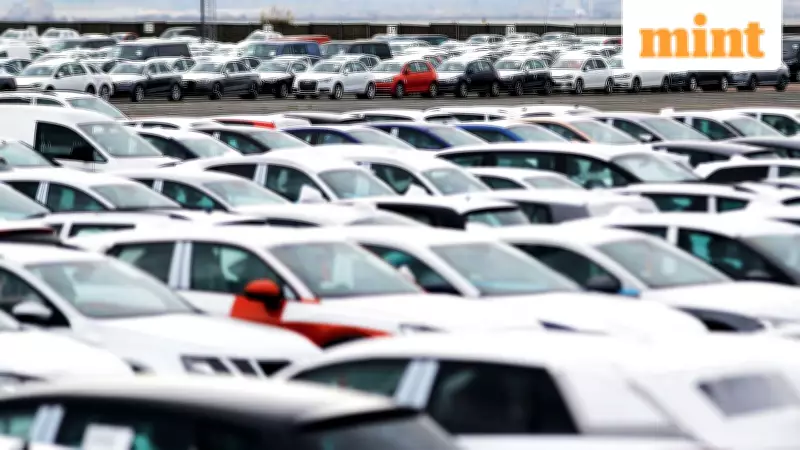
Automobile manufacturers are notably absent from Super Bowl advertising this year, reflecting broader uncertainty within the US automotive industry. Factors such as fluctuating sales, potential tariffs, and evolving regulations have prompted companies to tighten their marketing budgets, according to a report by CNBC.
Declining Presence in the Big Game
Historically among the largest advertisers during the Super Bowl, auto companies have shown inconsistent efforts in recent years. Sean Muller, CEO of ad data company iSpot, highlighted this trend, stating, "It's definitely been on the decline. Autos are tightening their belts, and they're probably pulling back on their budgets, and certainly that's reflected. I think the Super Bowl is a good barometer for all of this."
The data underscores this shift: while automakers accounted for 40% of Super Bowl ad minutes in 2012, their share dropped to as low as 7% by 2025. This year, only three automakers—General Motors, Toyota Motor, and Volkswagen—are expected to advertise during Super Bowl 60 between the Seattle Seahawks and the New England Patriots, totaling around two minutes of airtime.

Instability in the Automotive Sector
The decline in advertising coincides with ongoing instability in the automotive sector, which began with the coronavirus pandemic and supply chain disruptions in 2020. The turmoil has persisted due to:
- Tariffs impacting global trade
- Reductions in all-electric vehicle sales, costing companies billions
- Economic pressures affecting consumer demand
Last year, Chrysler's parent company, Stellantis, was the sole car manufacturer to advertise during the Super Bowl, with two ads totaling three minutes.
High Costs and Strategic Shifts
Automotive executives cite the exorbitant cost of Super Bowl ads as a major deterrent. On average, a 30-second commercial costs around $8 million, leading many to believe their advertising spend could be better allocated elsewhere. Tim Mahoney, a veteran in automotive marketing, explained, "Super Bowl is just a massive platform, but it has gotten so expensive. There are sometimes interesting ways to navigate around it. ... Adjacencies can be smart."
Companies are now adopting alternative strategies:
- Streaming and Regional Advertising: Automakers are focusing more on streaming services and regional campaigns rather than national reach.
- Live Sports Investments: Despite cutting back on the Super Bowl, automakers represent nearly 60% of spending on live sports advertising, according to iSpot data.
- Event-Based Marketing: Honda Motor, for instance, plans to concentrate its advertising expenses on the Olympics, sponsoring the US Olympic and Paralympic teams for the 2026 Winter Games in Milan and the 2028 Summer Games in Los Angeles.
Innovative Approaches to Advertising
Some automakers are testing creative alternatives to traditional Super Bowl ads. Nissan Motor, which last ran a Super Bowl ad in 2022, launched a humorous social media commercial for a chips-and-dip holder designed for its Nissan Rogue SUV, tapping into the "Big Game" buzz without the high costs.
Olivier Francois, Chief Marketing Officer at Stellantis, emphasized a broader approach: "We are going to really spread our efforts, so money and creativity, over a year." This sentiment reflects a growing trend among automakers to diversify their marketing investments in response to industry challenges and changing consumer behaviors.