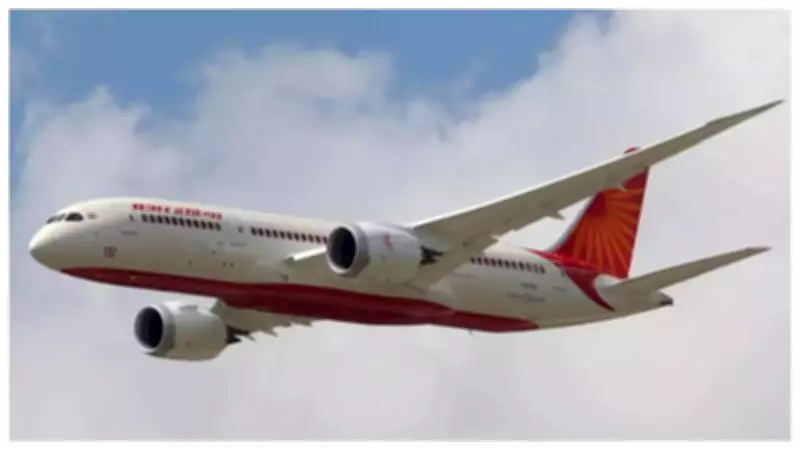
DGCA Imposes Heavy Penalty on Air India for Serious Safety Violation
India's aviation regulator, the Directorate General of Civil Aviation (DGCA), has levied a substantial fine of Rs 1 crore against Air India for operating commercial flights with an aircraft that lacked a valid airworthiness review certificate. This significant penalty underscores the regulator's zero-tolerance approach toward safety protocol violations in the aviation sector.
Details of the Regulatory Action
According to regulatory sources, the DGCA has not only imposed the financial penalty but has also directed the removal of certain post holders from Air India's engineering department. This decisive action follows the completion of an investigation into a serious lapse where Air India operated an Airbus A320 aircraft (registration VT-TQN) on eight revenue-generating flights without the mandatory airworthiness review certificate (ARC).
The regulatory probe was initiated after Air India itself reported the violation to the DGCA on November 26, 2025. The airline informed authorities that the aircraft had flown with an expired ARC, prompting immediate regulatory scrutiny.

Background of the Airworthiness Certificate Issue
The incident traces back to 2024 when the DGCA undertook the first ARC renewal process for 70 aircraft from Vistara following the airline's merger with Air India. While certificates were successfully issued for 69 aircraft, the ARC for one specific Airbus A320 (VT-TQN) was not processed because the aircraft was grounded for an engine change.
Critical safety protocols were bypassed when, after completing the engine replacement, Air India released the aircraft for commercial operations without obtaining the required airworthiness review certificate. This certificate serves as a vital validation of an aircraft's main certificate of airworthiness and is issued annually after comprehensive review of maintenance records, physical condition, and verification of compliance with all airworthiness standards.
Regulatory Statements and Airline Response
In its December 2, 2025 statement, the DGCA emphasized the seriousness of the violation and ordered Air India to conduct an internal investigation to identify systemic deficiencies and implement corrective measures to prevent future occurrences. The regulator has now completed its investigation and imposed the Rs 1 crore fine along with personnel changes.
Air India had previously issued a statement regarding the incident, stating: "Air India remains unwavering in its commitment to maintaining the highest standards of operational integrity and safety, and any deviation from mandated compliance protocols is treated with utmost seriousness and is unacceptable to the organisation. An incident involving one of our aircraft operating without an airworthiness review certificate is regrettable. As soon as this came to our notice, it was duly reported to the DGCA and all personnel associated with the decision have been placed under suspension, pending further review. We have initiated a comprehensive internal investigation."
Implications for Aviation Safety Standards
This regulatory action highlights several important aspects of aviation safety oversight:
- The DGCA's proactive approach to enforcing compliance with airworthiness standards
- The critical importance of airworthiness review certificates in ensuring aircraft safety
- The consequences airlines face for bypassing mandatory safety protocols
- The need for robust internal systems to prevent such lapses in large airline operations
The incident serves as a stark reminder to all aviation operators about the non-negotiable nature of safety compliance in an industry where procedural adherence directly impacts passenger safety. The DGCA's firm action reinforces India's commitment to maintaining international aviation safety standards and sends a clear message about the consequences of regulatory non-compliance.