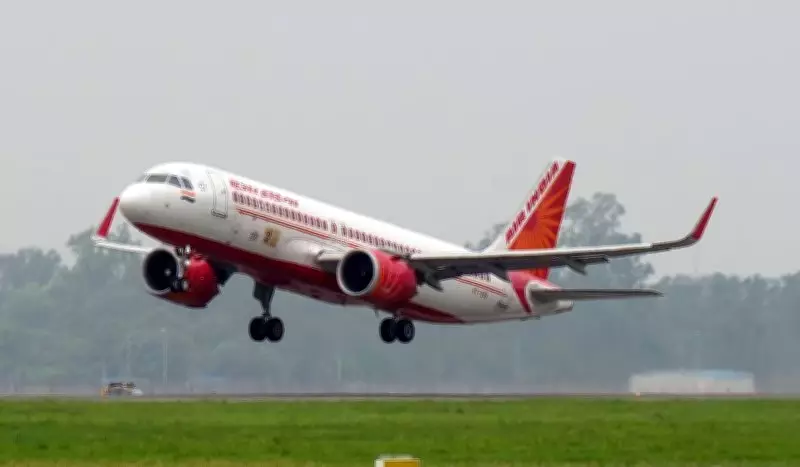
Air India in Turmoil: CEO Resignation Sparks Concerns Over Safety and Turnaround
Air India is grappling with significant upheaval following the resignation of its CEO, Campbell Wilson. This development comes at a critical juncture for the airline, which is currently under intense scrutiny due to a safety audit, an ongoing crash investigation, and persistent financial losses. The Tata Group, which acquired Air India in 2022, has been implementing a comprehensive turnaround strategy, but Wilson's departure raises pressing questions about the plan's execution and future direction.
Reasons Behind Campbell Wilson's Resignation
Campbell Wilson's resignation from Air India has sent shockwaves through the aviation industry. While official statements cite personal reasons, insiders suggest that mounting pressures related to the airline's operational challenges may have influenced his decision. Wilson, who took the helm in 2022, was tasked with steering Air India through a complex transformation under Tata ownership. His exit coincides with heightened regulatory oversight and internal restructuring efforts, potentially indicating deeper issues within the organization.
Safety Audit and Crash Probe Intensify Scrutiny
Air India is currently facing a rigorous safety audit conducted by aviation authorities, aimed at assessing compliance with international standards. This audit follows a recent crash incident that is under active investigation, adding to the airline's woes. Preliminary reports from the crash probe have highlighted concerns over maintenance protocols and pilot training, prompting calls for immediate corrective measures. The combined impact of these safety issues has eroded passenger confidence and drawn criticism from industry watchdogs.

Financial Losses and Tata's Turnaround Plan
Financially, Air India continues to struggle with substantial losses, despite Tata's ambitious turnaround plan. The strategy includes fleet modernization, route optimization, and service enhancements to boost profitability. However, implementation has been hampered by legacy debts, high operational costs, and competitive market pressures. Analysts note that Wilson's resignation could delay key initiatives, such as integrating Air India with other Tata-owned airlines like Vistara, which is crucial for achieving synergies and cost savings.
Implications for the Aviation Sector
The turmoil at Air India has broader implications for India's aviation sector, which is already contending with fuel price volatility and regulatory changes. Stakeholders, including employees and investors, are closely monitoring Tata's next steps, particularly the appointment of a new CEO and revisions to the turnaround blueprint. The situation underscores the challenges of revitalizing a state-owned carrier post-privatization, with lessons for similar endeavors globally.

- Campbell Wilson's resignation highlights leadership instability during a critical phase.
- Safety audit and crash probe expose operational vulnerabilities needing urgent address.
- Tata's turnaround plan faces hurdles from financial losses and integration complexities.
- The aviation sector watches for impacts on competition and regulatory frameworks.