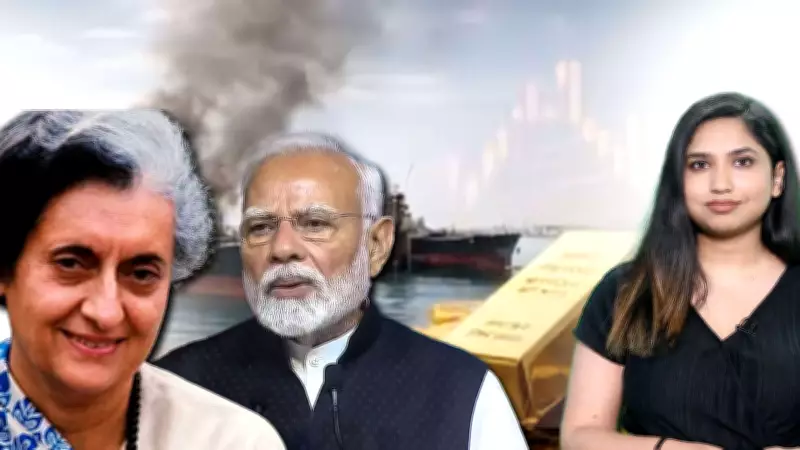
Prime Minister Narendra Modi’s recent appeal to reduce gold purchases, save fuel, and avoid unnecessary foreign travel has sparked political reactions and economic debate across the country. However, similar appeals have been made by previous governments during periods of global uncertainty and economic stress.
Historical Precedents of Gold Consumption Appeals
This practice of urging citizens to curb gold consumption is not new. Former Prime Minister Indira Gandhi, during the 1970s oil crisis, called on Indians to exercise restraint in gold buying to preserve foreign exchange reserves. Similarly, in the early 1990s, Prime Minister P V Narasimha Rao and Finance Minister Manmohan Singh appealed to the public to reduce gold imports as part of economic reforms to tackle a severe balance of payments crisis. Later, during the 2013 taper tantrum, then Finance Minister P Chidambaram urged citizens to avoid gold purchases to stabilize the current account deficit.
Why Gold and Fuel Become Strategic Concerns
Gold and fuel consumption often become strategic economic concerns for India during periods of global instability. India is the world’s second-largest gold consumer, and imports of the precious metal put significant pressure on the current account deficit. Similarly, crude oil imports account for a large portion of India’s import bill. When global prices spike or foreign exchange reserves dwindle, governments step in to curb demand through appeals or policy measures.

The recent appeal by Prime Minister Modi comes amid global trade tensions and volatile oil prices. Critics argue that such appeals place the burden on citizens rather than addressing structural issues, while supporters view them as necessary patriotic measures to safeguard the economy.
In conclusion, the pattern of urging reduced gold consumption during crises reflects India’s recurring vulnerability to external shocks and the government’s reliance on public cooperation to manage economic challenges.