

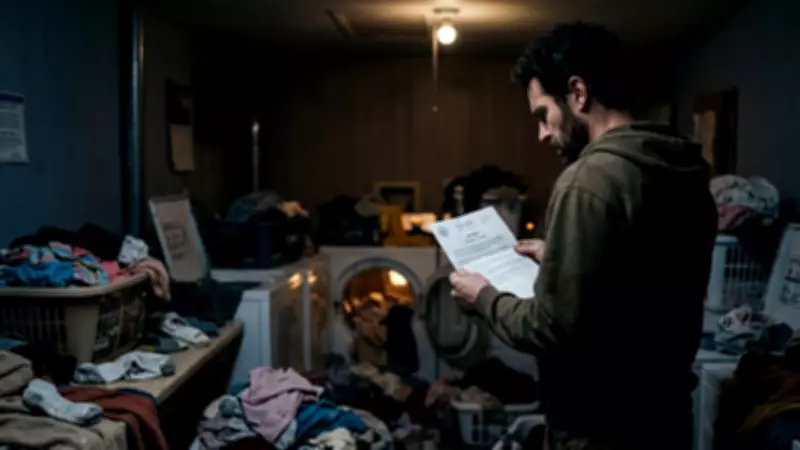
Ajmer Washerman Faces IT Notice Over Rs 598 Crore Diamond Transactions
The Income Tax Department has issued a show-cause notice to a roadside washerman in Ajmer's Ramganj area, demanding an explanation for bank transactions in his name totaling over Rs 598 crore. These transactions are allegedly connected to large-scale buying and selling of diamonds, raising serious questions about financial irregularities.
Washerman Claims Ignorance and Distress
Jitendra Kumar, who earns his livelihood by washing and ironing clothes, has stated that he has no knowledge of the bank account mentioned in the notice. "Since the past few days, I have only been doing rounds of police stations and lawyers. I am perturbed and unable to work," a visibly anguished Kumar told reporters on Wednesday. He revealed that he lost his PAN card two years ago while attending a function in Pali, which may have facilitated the misuse of his identity.
Legal Action and Police Investigation
Kumar's advocate, Rakesh Thada, has filed a complaint at Ganj police station against the private bank where the account is held and an unknown person operating it. Thada alleged that the account is being run by "some businessman in Pali" linked to a Surat-based diamond firm. "The IT department issued a show-cause notice regarding transactions of over Rs 598 crore. We have filed a complaint so that things become clear," Thada added. Police have confirmed receiving the complaint and are investigating the matter to uncover the truth behind these massive transactions.

Broader Implications and Departmental Scrutiny
In addition to the washerman, the Income Tax Department has also issued a notice to the manager of the private bank involved, intensifying scrutiny on financial institutions' compliance and due diligence processes. This case highlights potential vulnerabilities in the banking system and the risks of identity theft in high-value transactions. Authorities are working to determine how such a significant sum could be transacted without the account holder's knowledge, emphasizing the need for stricter verification protocols.






