

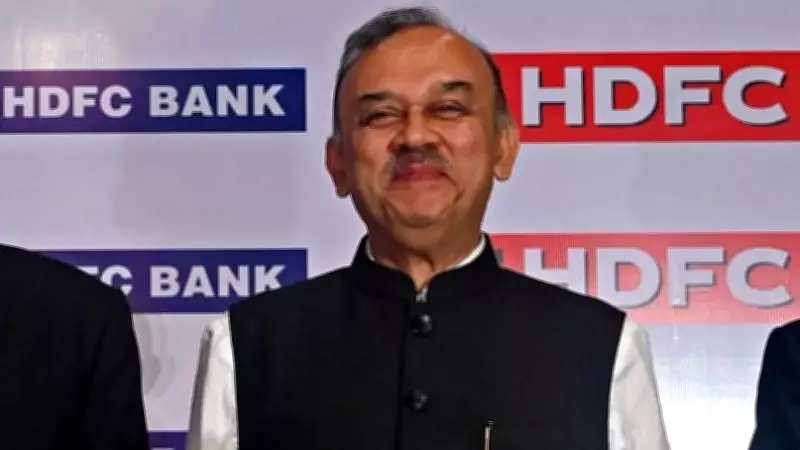
HDFC Bank Initiates External Review of Former Chairman's Resignation
In a significant development, HDFC Bank, India's largest private-sector lender, has taken a decisive step by engaging external legal counsel to conduct a thorough review of the abrupt resignation of its former chairman. This move comes in response to the substantial impact the resignation had on the bank's shares and the ensuing governance concerns that emerged in the financial markets.
Background and Immediate Fallout
Earlier, HDFC Bank had publicly addressed the situation, indicating that the sudden departure of the chairman may have originated from a rift between him and the bank's management. The bank emphasized that there were no material issues affecting its operations or financial health, seeking to reassure stakeholders amidst the turmoil. However, the resignation triggered a sharp decline in the bank's stock prices, highlighting investor anxiety over potential governance lapses.
The decision to bring in external counsel underscores the bank's commitment to transparency and accountability. By involving independent legal experts, HDFC Bank aims to provide an unbiased assessment of the circumstances surrounding the resignation, potentially mitigating further reputational damage and restoring confidence among shareholders and customers alike.

Implications for Corporate Governance
This incident has sparked broader discussions about corporate governance standards within India's banking sector. As a leading financial institution, HDFC Bank's actions are closely watched, and this review could set a precedent for how similar situations are handled in the future. The external counsel's findings are expected to shed light on whether the resignation was solely due to internal disagreements or if there were underlying factors that warranted deeper scrutiny.
In the meantime, the bank continues to operate normally, with management reiterating that its core business remains robust and unaffected by the leadership change. Investors and analysts are keenly awaiting the outcome of the review, which could influence market sentiment and regulatory perspectives on governance practices.






