

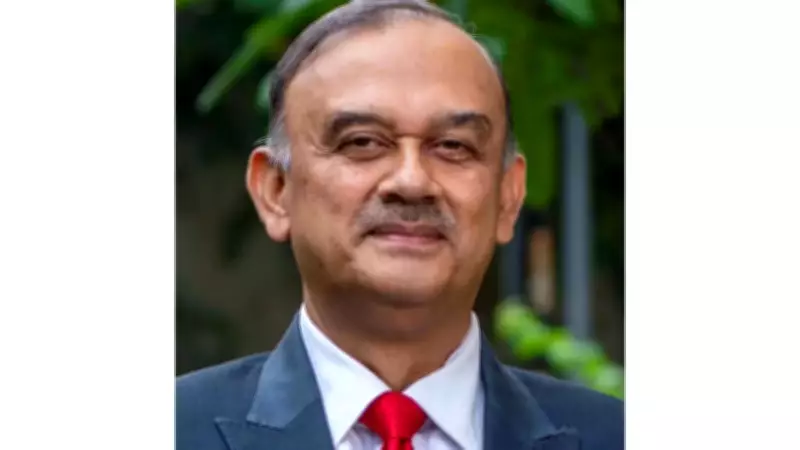
HDFC Bank Chairman's Sudden Resignation Sparks Market Panic and Governance Concerns
The abrupt departure of Atanu Chakraborty, the non-executive chairman of HDFC Bank, late on Wednesday sent shockwaves through the financial markets, unnerving numerous shareholders and fund managers. This development occurred against a backdrop of heightened investor anxiety due to the ongoing conflict in West Asia, which has been severely impacting global sentiment.
Stock Price Plunge and Market Capitalisation Loss
Following the announcement of Chakraborty's resignation, HDFC Bank's stock price experienced a dramatic 8.4% crash early on Thursday. Although it managed to recover some losses later in the day, it ultimately closed 5.1% lower at Rs 800. This sharp sell-off resulted in a staggering loss of nearly Rs 66,000 crore from the bank's market capitalisation, highlighting the severe market reaction to the news.
Analyst Reactions and Governance Worries
The sell-off was exacerbated as analysts adopted a cautious stance on the stock. In his resignation letter, Chakraborty cited that "certain happenings and practices" within HDFC Bank were "not in congruence" with his "personal values and ethics," raising red flags about potential governance issues. Macquarie, a leading foreign brokerage in India, responded by removing the stock from its buy list. In a report by Suresh Ganapathy of Macquarie, it was noted that while the bank's fundamentals remain strong with good return on assets, governance concerns are likely to weigh heavily on the stock in the near term. The report emphasized that investors would seek greater reassurance from the board before regaining confidence.

Broader Implications and Future Risks
Macquarie's analysis further pointed out that this incident could increase uncertainty surrounding the reappointment of Sashidhar Jagdishan, the Managing Director of HDFC Bank, potentially adding more downward pressure on the stock. The report identified key risks, including a potential slowdown in growth and the emergence of further governance issues. With foreign holdings exceeding 45% and mutual fund holdings at over 26%, HDFC Bank is one of India's most widely held stocks, making its performance critical for many investors. The timing of this crash is particularly unfortunate, as the West Asia war has already been depressing stock prices and fund NAVs, compounding the challenges for market participants.






