

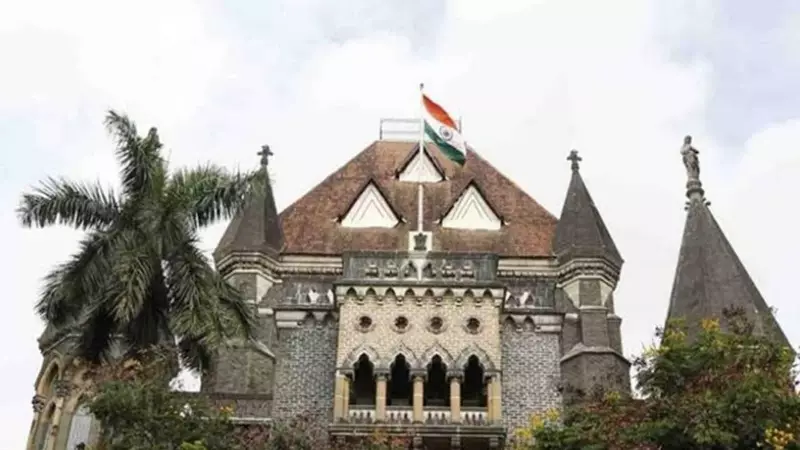
Three major banks and an auditor have taken their fight to the Bombay High Court. They are challenging an interim order that halted actions against businessman Anil Ambani. The order was based on a forensic audit report into Reliance Communications accounts.
Court Proceedings Begin
A division bench of the Bombay High Court started hearing the pleas on Monday. The bench includes Chief Justice Shree Chandrashekhar and Justice Gautam A Ankhad. The petitioners are Bank of Baroda, IDBI Bank, Indian Overseas Bank, and auditor BDO India LLP.
Earlier, Justice Milind N Jadhav granted interim relief to Ambani. He stayed all actions taken by the three banks. The order also restrained them from proceeding further on show-cause notices and a fraud-classification order. This relief was pending the hearing and final disposal of Ambani's suit.

Banks' Arguments in Court
Solicitor General Tushar Mehta represented the banks in court. He argued that the interim order reversed the entire process initiated by the banks. Mehta described this as bringing a kind of status quo ante into force. He claimed it has a disastrous effect on their actions.
Mehta provided specific details. Bank of Baroda had already declared an account as fraudulent, but this is now stayed. The other two banks had issued show-cause notices, which got halted. He also contended that the single-judge did not consider the limitation in filing the suit. According to Mehta, the suit was hopelessly time-barred.
Challenges to the Forensic Audit
The banks raised several points against the forensic audit report. They claimed another bench's decision was not considered. That decision dismissed Ambani's plea against State Bank of India's order classifying his account as fraudulent.
It was further argued that Ambani's suit did not challenge the forensic audit report on its merits. Mehta also stated that the RBI master circular does not require the auditor to be a member of the Institute of Chartered Accountants of India. He asserted that Ambani's suit relied merely on an RTI application filed by a third person seeking BDO's registration details.
The banks sought a stay on the impugned order. They contended that Ambani was aware of the forensic audit report in 2021 but did not challenge the findings. They argued the order opened floodgates for similar litigations. They emphasized that BDO is an approved forensic auditor by SEBI and not just a nobody picked from the street.
Background on RBI Guidelines
The Reserve Bank of India provides directions for fraud classification and reporting by commercial banks. Its circular allows banks to classify any account as fraudulent. It also offers guidelines for the process. The RBI has instructed banks to establish their own policies based on these guidelines.
Justice Jadhav passed the interim order in multiple suits filed against a consortium of banks. State Bank of India is the lead lender in this consortium. The suits claim that the decision to classify Ambani's accounts related to RCom as fraudulent was based on an illegal forensic report. Reliance Communications is currently under insolvency.
Next Steps in the Legal Battle
The division bench has posted the further hearing for Wednesday. This indicates the court is moving quickly to address the complex issues at hand. The outcome could have significant implications for banking regulations and fraud classification processes in India.
The case highlights ongoing tensions between financial institutions and corporate entities. It underscores the legal challenges in enforcing fraud classifications based on forensic audits. All parties await the next development as the Bombay High Court continues its deliberations.






