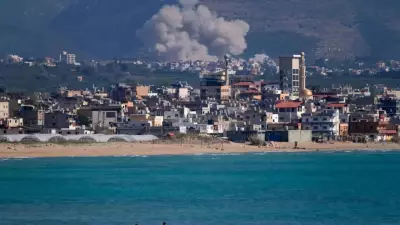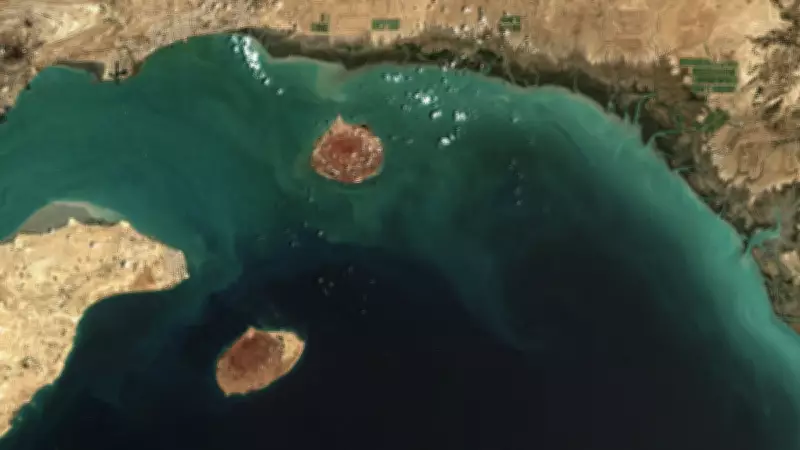
The United States carried out a series of fresh airstrikes on Iran's Qeshm Island, escalating tensions in the Persian Gulf. The strikes targeted military installations believed to be part of Iran's so-called 'missile city' network, which houses precision-guided missiles and drones. Qeshm Island, located near the strategic Strait of Hormuz, is a critical chokepoint for global oil shipments.
Strategic Importance of Qeshm Island
Qeshm Island is Iran's largest island and sits at the entrance of the Strait of Hormuz, a narrow waterway through which about 20% of the world's oil passes. The IRGC has heavily fortified the island with underground facilities, missile batteries, and naval bases. The US strikes aimed to degrade Iran's ability to threaten maritime traffic and retaliate against US assets in the region.
The 'Missile City' Complex
Iran's 'missile city' refers to a network of underground bunkers and launch sites that store and deploy ballistic missiles, cruise missiles, and armed drones. These facilities are designed to withstand airstrikes and provide Iran with a second-strike capability. The US military confirmed that the strikes hit command centers, storage depots, and radar systems associated with this network.

Why Now?
The timing of the strikes is linked to recent provocations, including Iran's seizure of oil tankers and drone attacks on Saudi Arabia. The US also aims to disrupt Iran's growing cooperation with Russia and China in developing advanced weaponry. By targeting Qeshm Island, Washington sends a message that it will not tolerate threats to the free flow of oil through the Strait of Hormuz.
Reactions and Consequences
Iran condemned the strikes as a violation of its sovereignty and vowed retaliation. The IRGC warned that it would target US bases in the Middle East if further attacks occur. Global oil prices spiked by 3% following the news, reflecting market fears of a broader conflict. Analysts suggest that the US may have intended to degrade Iran's missile capabilities without triggering a full-scale war, but the risk of miscalculation remains high.
The strikes also come amid diplomatic efforts to revive the nuclear deal, which have stalled. Iran's Foreign Ministry accused the US of undermining peace and security. Meanwhile, Gulf states expressed concern over the escalation, urging restraint from both sides.
Historical Context
Qeshm Island has been a flashpoint in US-Iran tensions for years. In 2020, the US assassinated IRGC commander Qasem Soleimani, prompting Iran to strike US bases in Iraq. The island's strategic location makes it a linchpin in any potential conflict over the Strait of Hormuz. The latest strikes mark the first direct US military action on Iranian soil since the 2020 drone strike.
The US Department of Defense stated that the strikes were 'precision and proportionate' and aimed at deterring future Iranian attacks. However, critics argue that such actions could backfire, leading to a cycle of retaliation that disrupts global energy markets and regional stability.