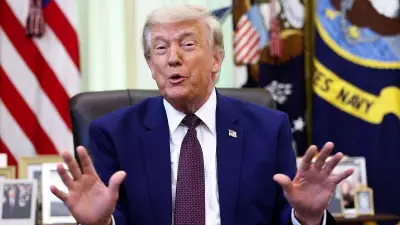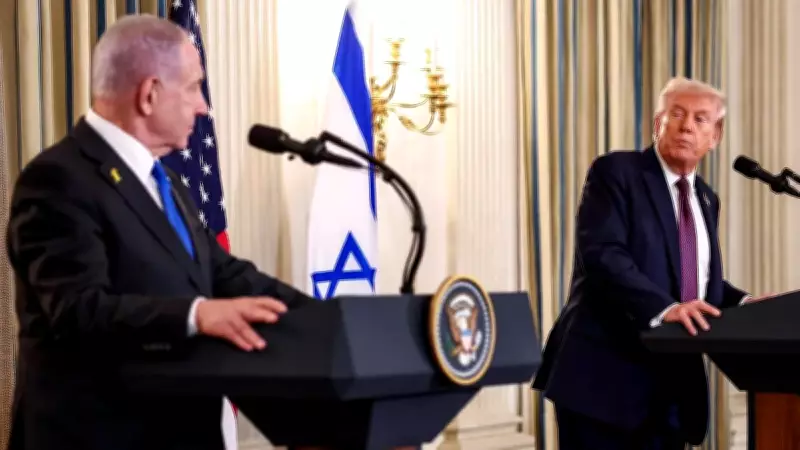
Former United States President Donald Trump has disclosed that he once referred to Israeli Prime Minister Benjamin Netanyahu as 'crazy' amid ongoing tensions with Lebanon. Trump expressed that he was 'perturbed' by Netanyahu's persistent engagement in conflict with Lebanon, which he described as 'constantly fighting.'
Trump's Remarks on Netanyahu and Lebanon
Speaking in a recent interview, Trump recalled his frustration during a period of heightened hostilities between Israel and Lebanon. He stated, 'I did call him crazy. He was constantly fighting with Lebanon, and I was perturbed by it.' The comments shed light on the dynamics between the two leaders during their time in office.
Reassurance of Strong Alliance
Despite the candid remarks, Trump moved to reassure the public that his geopolitical alliance and personal relationship with Netanyahu remain intact. He emphasized that the United States and Israel share a robust partnership, and his criticism was directed at specific actions rather than the broader relationship.

- Trump noted that his administration maintained strong support for Israel's security.
- He highlighted that disagreements are normal in international diplomacy.
- The former president reaffirmed his commitment to Israel's right to defend itself.
Context of the Lebanon Conflict
The conflict between Israel and Lebanon has a long history, with periodic escalations involving Hezbollah and other factions. During Trump's presidency, tensions flared, leading to direct U.S. involvement in mediating ceasefires. Trump's remarks provide a rare glimpse into his private interactions with Netanyahu during such crises.
Political analysts suggest that Trump's blunt language reflects his unconventional diplomatic style, which often involved personal negotiations and frank conversations. However, they also note that the U.S.-Israel relationship has weathered such comments before, given the strategic importance of the alliance.
Reactions and Implications
While Netanyahu's office has not officially responded to Trump's latest comments, sources close to the Israeli leader indicate that the relationship remains professional. The incident underscores the complex nature of leadership dynamics in the volatile West Asia region.
Trump's disclosure comes as he continues to campaign for the 2028 presidential election, where foreign policy remains a key issue. His remarks may influence perceptions among pro-Israel voters, though his base generally supports his tough stance on allies and adversaries alike.
In conclusion, Trump's candid admission highlights the pressures of leadership during conflict, but the enduring U.S.-Israel partnership appears unaffected by the personal friction.