Israeli Prime Minister Benjamin Netanyahu has declared that Israel will proceed with its previous operational plans to strike Beirut if Hezbollah does not halt its attacks on northern Israel. This warning came after US President Donald Trump announced a temporary ceasefire, stating that the Israel Defense Forces would not enter Beirut and that both sides had agreed to stop hostilities.
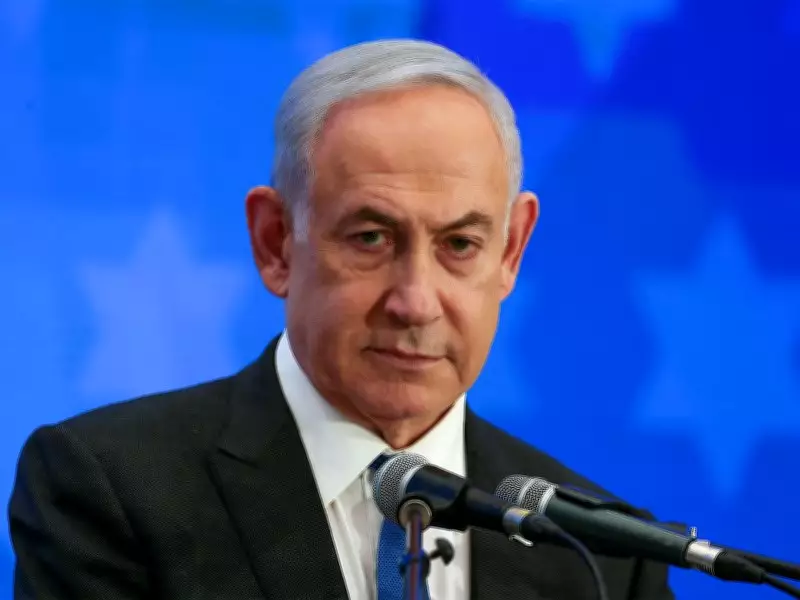
In a Hebrew-language statement, Netanyahu clarified: "I spoke this evening with President Trump and told him that if Hezbollah does not stop attacking our cities and civilians, Israel will strike terrorist targets in Beirut. This position remains unchanged." He emphasized that diplomatic talks would not hinder ongoing military operations, adding, "At the same time, the IDF will continue operating in southern Lebanon as planned."
Ceasefire Details Remain Unclear
The exact terms of the truce announced by Trump remain ambiguous, with conflicting signals from Washington, Jerusalem, Hezbollah, and Beirut. Netanyahu's response came about two hours after Trump detailed the ceasefire, fueling speculation that the diplomatic arrangement was heavily pressured onto Israel by the US administration.

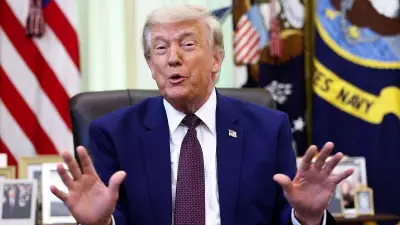
This public friction emerged shortly after Israeli leaders ordered military strikes on southern Beirut and vowed to intensify the campaign against Hezbollah. Trump stated on his social platform: "I had a very productive call with Prime Minister Bibi Netanyahu of Israel, and there will be no troops going to Beirut," adding that advancing military units had been ordered to retreat.
Hezbollah's Role in the Truce
Trump further claimed that Hezbollah had agreed to a cessation of hostilities through alternative diplomatic channels. "Likewise -- through highly placed representatives -- I had a very good call with Hezbollah, and they agreed that all shooting will stop -- that Israel will not attack them, and they will not attack Israel," he noted. However, the long-term sustainability of this truce remains uncertain given the deep-rooted nature of the conflict.
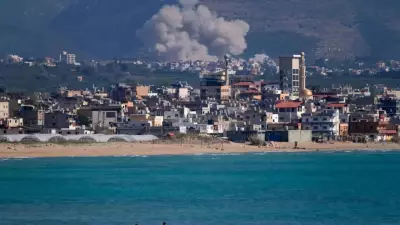
Lebanon has long been caught in the crossfire of geopolitical rivalries, initially sparked by a joint American-Israeli military strike on Iranian targets. Southern Lebanon has experienced escalating volatility, forcing thousands of families from Beirut's southern suburbs to flee following Israeli evacuation orders.
US Pressure and Diplomatic Maneuvers
The diplomatic push by Trump carried significant weight in real-time military planning. According to Israeli press reports, planned bombings of Beirut were postponed after direct appeals from Washington. Media reports indicated that the US urged Israel to pause operations to allow a diplomatic truce to progress, despite earlier indications that Israel's military strategy had been coordinated with American officials.
This temporary halt leaves core ideological and territorial disputes unresolved. The Israeli administration maintains that Hezbollah's military presence near the northern border is intolerable, while Hezbollah positions itself as a key component of an Iranian-supported regional network.
Impact on US-Iran Relations
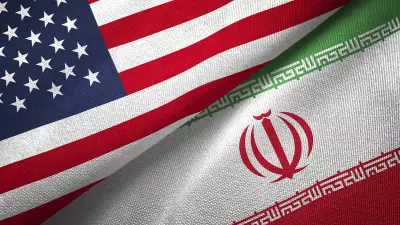
The escalating regional tensions have disrupted direct diplomatic channels between Washington and Tehran. Iranian outlets reported that their administration froze diplomatic engagements with the US in response to the military campaign in Lebanon, asserting that the incursions undermined the existing armistice.
Trump offered conflicting views on the status of diplomatic talks with Iran. Shortly before announcing the Israel-Lebanon breakthrough, he said he had not been notified of Iran's stance and expressed indifference to a potential breakdown in negotiations. However, minutes later, he posted on Truth Social: "Talks are continuing, at a rapid pace, with the Islamic Republic of Iran," adding further complexity to the fast-moving diplomatic landscape.
As the situation develops, the region remains on edge, with the ceasefire's durability in question and the underlying tensions between Israel, Hezbollah, and Iran far from resolved.