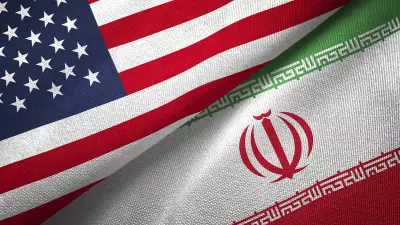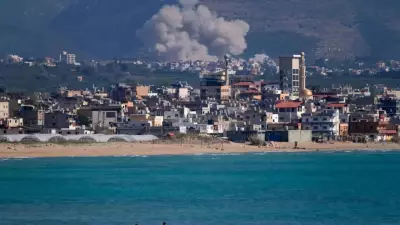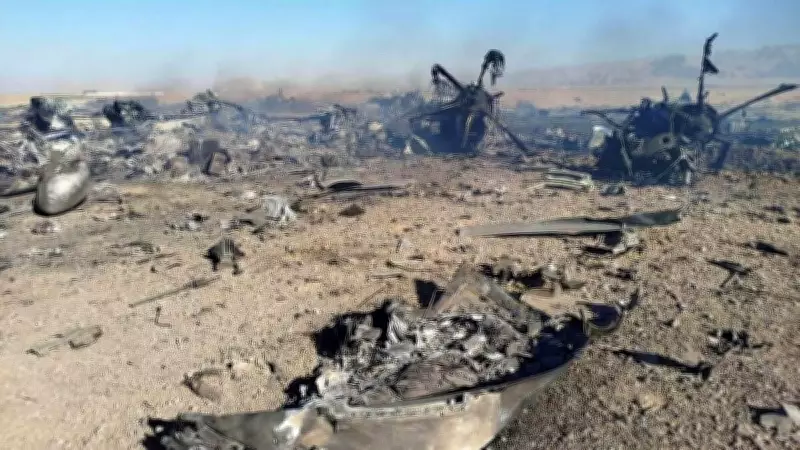
The United States and Iran have continued their military strikes against each other, as diplomatic efforts remain inconclusive. The ongoing conflict has heightened tensions in the Middle East, with both sides showing no signs of de-escalation.
Continued Military Actions
In recent days, the US military has conducted airstrikes on Iranian-backed militia groups in Iraq and Syria. These strikes are in response to attacks on US personnel and facilities in the region. Iran, in turn, has launched missile attacks on US targets, including bases in Iraq. The cycle of violence has raised fears of a broader war.
Diplomatic Efforts Falter
International mediators, including the United Nations and European Union, have attempted to broker a ceasefire. However, negotiations have stalled due to mutual distrust and conflicting demands. The US insists on Iran's compliance with nuclear deal terms, while Iran demands an end to US sanctions and military presence in the region.

Impact on the Region
The ongoing strikes have caused civilian casualties and displaced thousands. Regional powers like Saudi Arabia and Israel have expressed concern, urging restraint. Meanwhile, global oil prices have spiked due to supply disruptions in the Strait of Hormuz.
Future Outlook
Analysts predict continued hostilities unless a diplomatic breakthrough occurs. The US has threatened further strikes if attacks on its forces persist. Iran has vowed to defend its interests, leaving the region on edge. The international community calls for an immediate ceasefire to prevent a full-scale conflict.