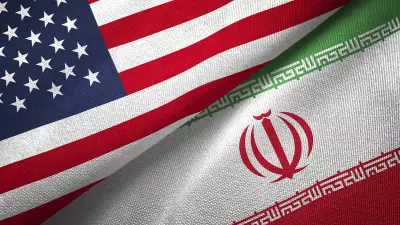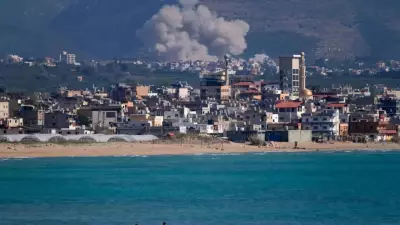
In a significant development, Iran has announced the suspension of talks with the United States, escalating tensions in the already volatile Middle East region. The decision comes amid growing concerns over the stalled ceasefire between Hezbollah and Israel, as well as the ongoing conflict in Gaza.
Background of the Suspension
Tehran's decision to halt negotiations with Washington marks a setback for diplomatic efforts aimed at de-escalating regional tensions. According to Iranian officials, the suspension is due to what they describe as a lack of progress and continued aggressive policies by the US. The talks, which were initially focused on nuclear issues and regional security, have now been put on hold indefinitely.
Impact on Regional Dynamics
The suspension of talks has raised concerns among international observers, who fear it could lead to further instability. The Middle East is already grappling with multiple crises, including the conflict between Israel and Hezbollah, which has seen repeated violations of the ceasefire. Additionally, the situation in the Strait of Hormuz remains tense, with Iran's military activities drawing scrutiny from global powers.

- Hezbollah-Israel Ceasefire: Efforts to maintain the ceasefire have been fragile, with both sides accusing each other of violations. The suspension of US-Iran talks could embolden Hezbollah, which is backed by Tehran.
- Strait of Hormuz: Iran's control over this strategic waterway remains a flashpoint. Any escalation could disrupt global oil supplies and impact the world economy.
- Nuclear Program: The halt in talks also affects negotiations over Iran's nuclear program, which had seen some progress in recent months.
US Response and International Reactions
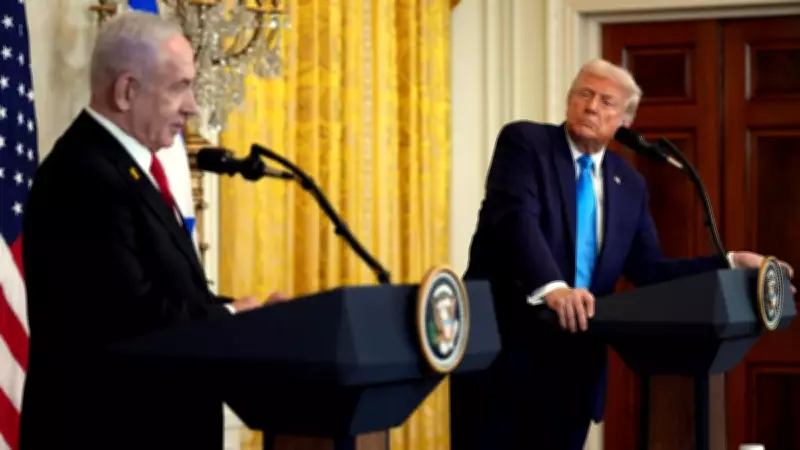
The United States has expressed disappointment over Iran's decision, urging Tehran to return to the negotiating table. In a statement, the US State Department emphasized the need for diplomatic solutions to prevent further conflict. Meanwhile, other world powers, including the European Union and Russia, have called for restraint and a resumption of dialogue.
Hezbollah's Role: The Lebanese militant group Hezbollah has been a key player in the region, with its actions closely tied to Iran's policies. The suspension of talks may lead to increased support from Iran for Hezbollah's operations against Israel.
Potential Consequences
Analysts warn that the breakdown in US-Iran talks could have far-reaching consequences. The possibility of a wider regional war cannot be ruled out, especially if the situation in Gaza and Lebanon deteriorates further. Additionally, the suspension may strengthen hardliners in both Iran and the US, making future negotiations even more challenging.
- Increased military posturing in the Persian Gulf and the Strait of Hormuz.
- Renewed efforts by Iran to accelerate its nuclear program.
- Potential for proxy conflicts in Syria, Yemen, and Iraq.
Conclusion
The suspension of talks between Iran and the US is a serious setback for peace in the Middle East. As both sides dig in their heels, the international community must work tirelessly to prevent an escalation that could have devastating consequences for the entire region. The path forward requires renewed commitment to diplomacy and a genuine willingness to address the root causes of the conflict.