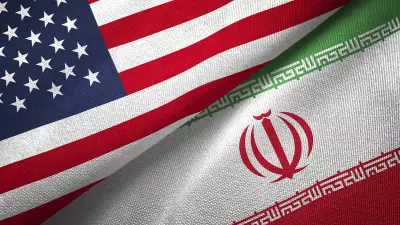
Iran on Monday strongly criticized the United States over the rapidly deteriorating situation in West Asia and the Gulf region, stating that recent developments have intensified suspicions and will worsen the diplomatic process, according to the Iranian news agency ISNA.
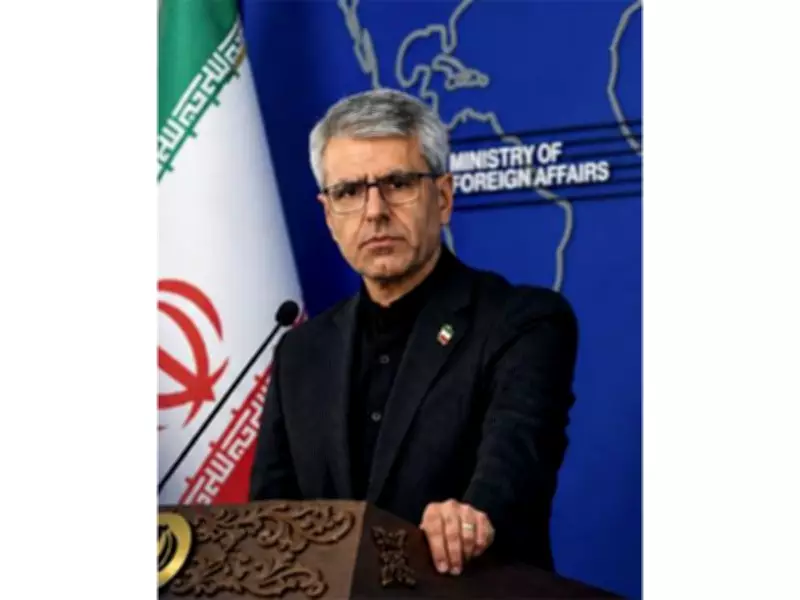
Esmail Baghaei, Spokesman for Iran's Ministry of Foreign Affairs, made the remarks during his weekly press conference. He said the events of the past 24 hours would fuel the chaotic situation in the diplomatic process, adding that exchanges with the US were already conducted in an atmosphere of intense suspicion.
Baghaei Warns Against Separating Israeli Actions from US Policies
Baghaei warned against separating Israel's actions from American policies, noting that contradictions and confusing declarations had caused confusion in the diplomatic process. He stated that the actions of the Zionist regime cannot be separated from US policies.

When asked about Iran's response to regional escalations, Baghaei assured that Tehran is ready to protect its national and security interests. He said Iran will take action wherever necessary and cannot allow Israel or the US to exploit the situation to repeat aggressions while claiming to adhere to a ceasefire that is continuously violated.
Iran Accuses US-Israel Collusion
Baghaei reiterated the collusion between the US and Israel, stating that no one in the region believes Israel acts without prior US coordination. He noted that the US State Department had explicitly stated its support for Israel during the 40-day war, and despite American claims, CENTCOM cooperates with Israel in defense and offense.
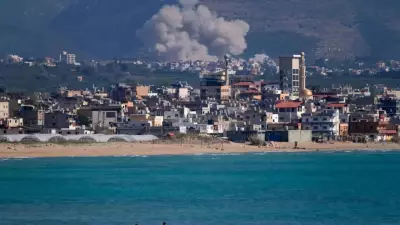
His remarks come amid major military escalations over the last 24 hours, including multi-city kinetic engagements, airstrikes on strategic installations, and heavy projectile salvos across the region. Israel and Iran traded fire on Monday, the 100th day of their war, jeopardizing the fragile truce and threatening all-out regional war.
Compounding maritime security, Iran-backed Houthis announced a ban on Israeli shipping on the Red Sea, a key shipping lane, as reported by The Jerusalem Post.
The latest actions, including an attack on an Iranian petrochemical complex and Iran's Revolutionary Guard targeting two Israeli bases, followed reports that President Trump called on Israel to refrain from retaliating against Tehran's missiles.
The breakdown of the ceasefire escalated after Israel launched airstrikes on Beirut's southern suburbs on Sunday, prompting Iran to retaliate, leading to further attacks and counterattacks on Monday.
This sudden re-eruption of hostilities casts a shadow over diplomatic efforts to end the war, which began on February 28. The escalation threatens to derail US President Donald Trump's efforts to negotiate a comprehensive nuclear deal with Tehran.