Iran's Islamic Revolutionary Guard Corps (IRGC) reported on Tuesday that 28 ships successfully passed through the strategic Strait of Hormuz in the last 24 hours, underscoring the continued operation of the vital waterway despite heightened geopolitical tensions. The announcement comes as a reassurance of maritime security in the region, which is a critical chokepoint for global oil shipments.
Normal Traffic Flow Maintained
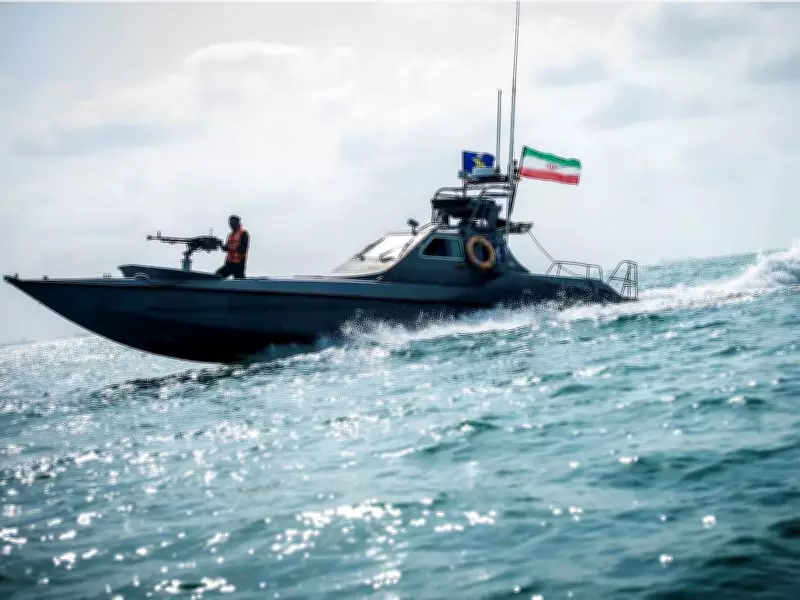
The IRGC's statement highlighted that all vessels, including oil tankers and cargo ships, navigated the strait without any disruption. The passage was conducted under the watch of Iranian naval forces, which have been tasked with ensuring safe transit. This development follows recent incidents involving seizures of commercial ships in the Persian Gulf, raising concerns about the safety of international shipping lanes.
Strategic Importance of the Strait
The Strait of Hormuz, located between Iran and Oman, is one of the world's most strategically important waterways. Approximately 20% of the global oil supply passes through it daily, making it a focal point for energy security. The IRGC's report indicates that despite ongoing tensions, the strait remains open and operational, with regular traffic patterns being maintained.

International observers have closely monitored the situation, as any disruption could have significant repercussions for global oil prices and supply chains. The IRGC's announcement aims to alleviate fears of a blockade or conflict that could impede maritime trade.
Regional Context
The movement of ships through the Strait of Hormuz has been under scrutiny amid recent confrontations between Iran and Western navies. In the past year, Iran has been accused of harassing and seizing vessels in the region, leading to increased military patrols by the United States and its allies. However, the IRGC's latest statement suggests a return to normalcy, at least for the time being.
Analysts note that while the passage of 28 ships in a day is routine, the IRGC's emphasis on this number is a deliberate signal of stability. The regime seeks to project an image of control and reliability to the international community, particularly to oil markets and shipping companies.
Future Outlook
As diplomatic efforts to resolve broader tensions continue, the security of the Strait of Hormuz remains a key concern. The IRGC's assurance of safe passage is likely to be welcomed by the global shipping industry, but vigilance persists. Any escalation in the region could quickly alter the situation, underscoring the fragile balance in one of the world's most critical maritime corridors.