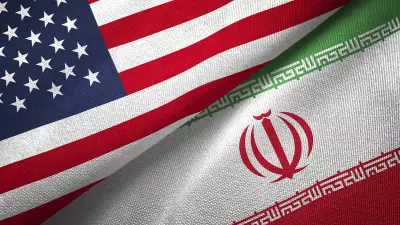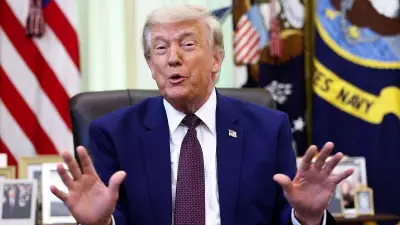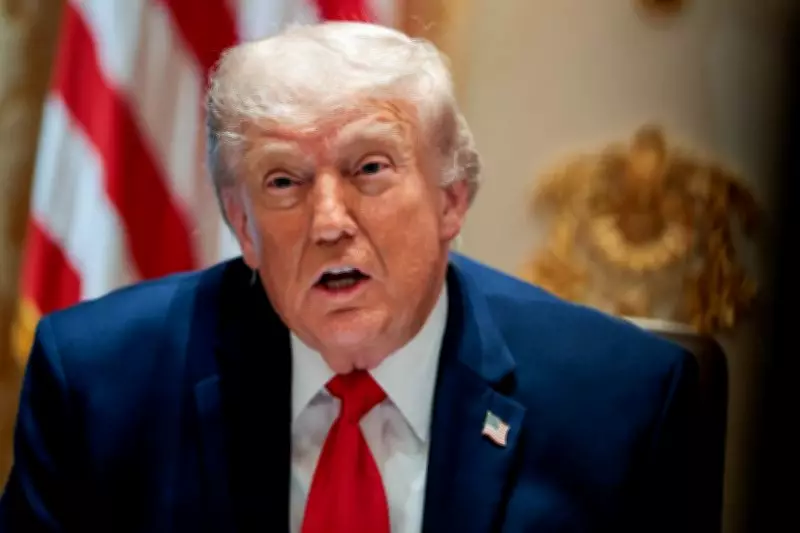
In a significant diplomatic breakthrough, negotiators from the United States and Iran have reached a tentative agreement to extend the existing ceasefire and launch a new round of nuclear talks. The deal, announced after weeks of indirect negotiations mediated by European and Gulf officials, aims to reduce tensions in the Middle East and address long-standing concerns over Iran's nuclear program.
Key Provisions of the Tentative Agreement
The tentative agreement includes several key provisions. First, the current ceasefire, which has been in place for the past three months, will be extended for an additional 90 days. This extension is intended to create a conducive environment for the upcoming nuclear negotiations. Second, both sides have agreed to resume nuclear talks within the next 30 days, with the goal of reaching a comprehensive framework within a year. The talks will focus on limiting Iran's uranium enrichment activities and ensuring transparency through enhanced International Atomic Energy Agency (IAEA) inspections.
Reactions from Key Stakeholders
The announcement has drawn mixed reactions from various stakeholders. The White House welcomed the deal as a positive step toward regional stability, while Iranian officials described it as a victory for diplomacy. However, some hardliners in both countries have expressed skepticism, arguing that the agreement does not address core issues such as ballistic missiles or Iran's support for proxy groups. European Union foreign policy chief Josep Borrell praised the move, stating that it could pave the way for a more comprehensive settlement.

Implications for the Region and Beyond
The tentative deal is expected to have far-reaching implications. In the short term, it could ease tensions in the Persian Gulf, where recent incidents involving oil tankers and drone attacks have raised concerns. Economically, the extension of the ceasefire may lead to a stabilization of oil prices, as markets react positively to reduced risks of supply disruptions. Additionally, the resumption of nuclear talks could open the door for the lifting of some sanctions on Iran, potentially boosting its economy and increasing global oil supply.
Challenges Ahead
Despite the optimism, significant challenges remain. The negotiations will need to navigate deep mistrust between the two sides, as well as opposition from regional powers like Israel and Saudi Arabia, which view the deal with suspicion. Furthermore, the domestic political landscape in both the US and Iran could complicate the ratification process. In the US, the agreement may face scrutiny from Congress, while in Iran, hardline factions may seek to undermine the talks.
Overall, the tentative deal represents a crucial first step in de-escalating one of the world's most volatile flashpoints. The coming weeks will be critical in determining whether this diplomatic effort can lead to lasting peace and stability.