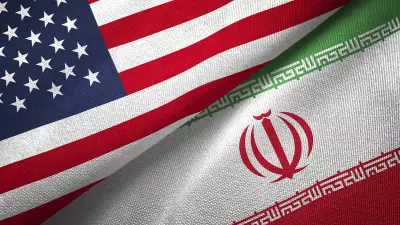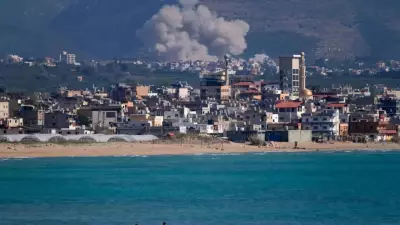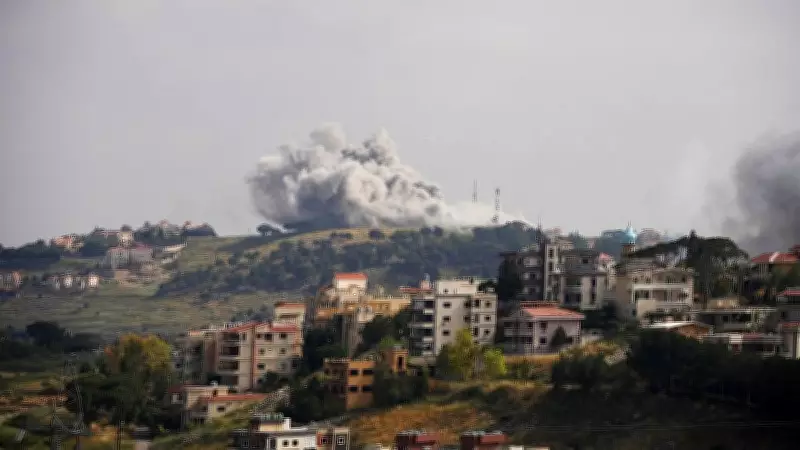
Iran has accused the United States of violating a ceasefire after the US conducted what it termed defensive strikes in southern Iran. Meanwhile, US Secretary of State Marco Rubio indicated that negotiating a deal to halt the ongoing conflict could take several days.
Background of the Conflict
The war, which began on February 28 with US and Israeli strikes on Iran, has triggered an unprecedented oil supply shock. This has led to a sharp increase in oil prices, as well as higher costs for fuel, fertilizer, and food globally.
Iran's Response
In retaliation for the initial strikes, Iran launched drones and missiles targeting Gulf states that host US military bases. The escalation has heightened tensions across the region.

Secretary Rubio stated that diplomatic efforts are underway but cautioned that reaching a comprehensive agreement might require more time. He emphasized that the US remains committed to de-escalation while maintaining its defensive posture.
The situation remains fluid, with global markets closely monitoring developments. The oil supply disruption has already impacted economies worldwide, raising concerns about inflation and food security.
Stay tuned for the latest updates on the Iran, US-Israel war.