US Blockade of Iran's Ports Threatens Massive Daily Economic Losses
The United States' decision to blockade Iranian ports at the strategic Strait of Hormuz, following failed diplomatic talks in Pakistan, is poised to inflict severe economic damage on Iran, already strained by a month-long war and depleted infrastructure. According to a Wall Street Journal report, this maritime quarantine could cost Iran up to $435 million, or approximately Rs 4,081 crore, per day in economic losses.
Breakdown of Economic Impact and Export Disruptions
The daily economic damage includes an estimated $276 million in lost exports, primarily from crude oil and petrochemical shipments. Miad Maleki, a former official with the Treasury Department's Office of Foreign Assets Control, emphasized to WSJ that "The US quarantine of Iran's ports will cost Iran about $435 million a day in economic damage." This blockade significantly disrupts Iran's energy exports to China, which sources 45 to 50 percent of its crude oil and 30 percent of its liquefied natural gas imports through the Strait of Hormuz.
Analysts note that Iran's actual losses depend on several unpredictable factors, such as the effectiveness of the US blockade and Iran's ability to reroute oil exports via the Jask terminal outside the strait. In the short term, some losses may be offset by the estimated 154 million barrels of oil Iran had floating outside the Gulf as of late March, according to data from Kpler.

US Naval Deployment and Blockade Enforcement Strategy
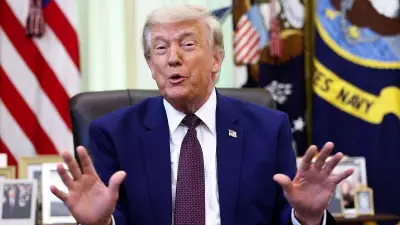
US President Donald Trump ordered the blockade of ships entering or leaving Iranian ports and coastal areas in the Gulf, announced after delegates from the US and Iran failed to reach an agreement in Islamabad, Pakistan. Enforcing this blockade requires a sustained commitment from the US Navy, with clear guidance from the Trump administration and legal departments, as reported by Associated Press.
The US Navy has assembled a formidable maritime presence in the region, deploying at least 15 warships under Central Command. This fleet includes the aircraft carrier USS Abraham Lincoln and multiple guided-missile destroyers from the Arleigh Burke-class, considered the backbone of American surface naval power. These destroyers, designed for versatility with speed, stealth, and advanced missile systems, are expected to play a central role in intercepting vessels, conducting inspections, and deterring Iranian retaliation.
US officials have indicated that the blockade will target ships specifically entering or leaving Iranian ports, while allowing transit between non-Iranian destinations. In practice, this means vessels could be stopped, searched, and either cleared or turned back, intensifying the economic pressure on Iran.
Iran's Response and International Legal Challenges
Iran has strongly condemned the US blockade, labeling it a "grave violation" of its sovereignty. In a letter to UN Secretary General Antonio Guterres, seen by AFP, Iran's ambassador to the United Nations, Amir Saeid Iravani, stated that "The imposition of a maritime blockade constitutes a grave violation of the sovereignty and territorial integrity of the Islamic Republic of Iran." He added that the "unlawful" blockade also "constitutes a serious violation of the fundamental principles of the international law of the sea."
This development follows earlier actions by Iran, which had halted nearly all tankers in the region, allowing only some ships perceived as friendly to pass while charging a levy. The US blockade now escalates tensions, with potential implications for global trade and diplomatic relations, particularly as it may incentivize China to join the pressure campaign against Iran.